Does Activewear Color Actually Affect How Hot You Get During a Workout?
Quick Answer: Yes — dark colors absorb more solar radiation and can raise fabric surface temperature noticeably during outdoor workouts in direct sun, while light colors reflect more of it. The effect is real but relatively modest for short indoor or shaded workouts, and becomes meaningful mainly for prolonged outdoor exercise in direct midday sun.
The all-black activewear aesthetic is dominant for good reason — it’s slimming, versatile, and doesn’t show sweat marks as visibly. But for a long outdoor summer run, it’s genuinely working against you a little, not just a style choice with zero downside.
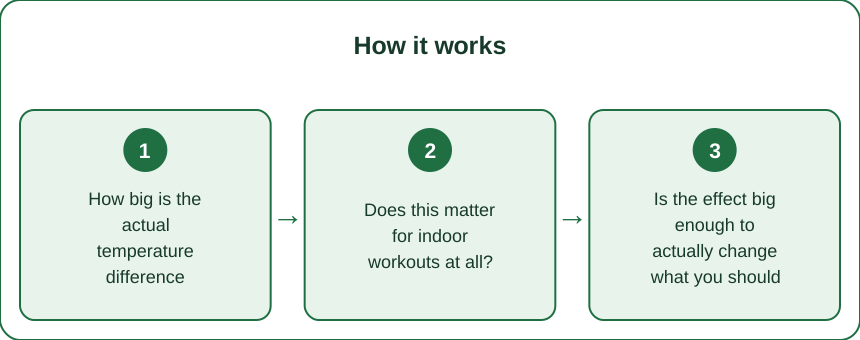
How big is the actual temperature difference between dark and light fabric?
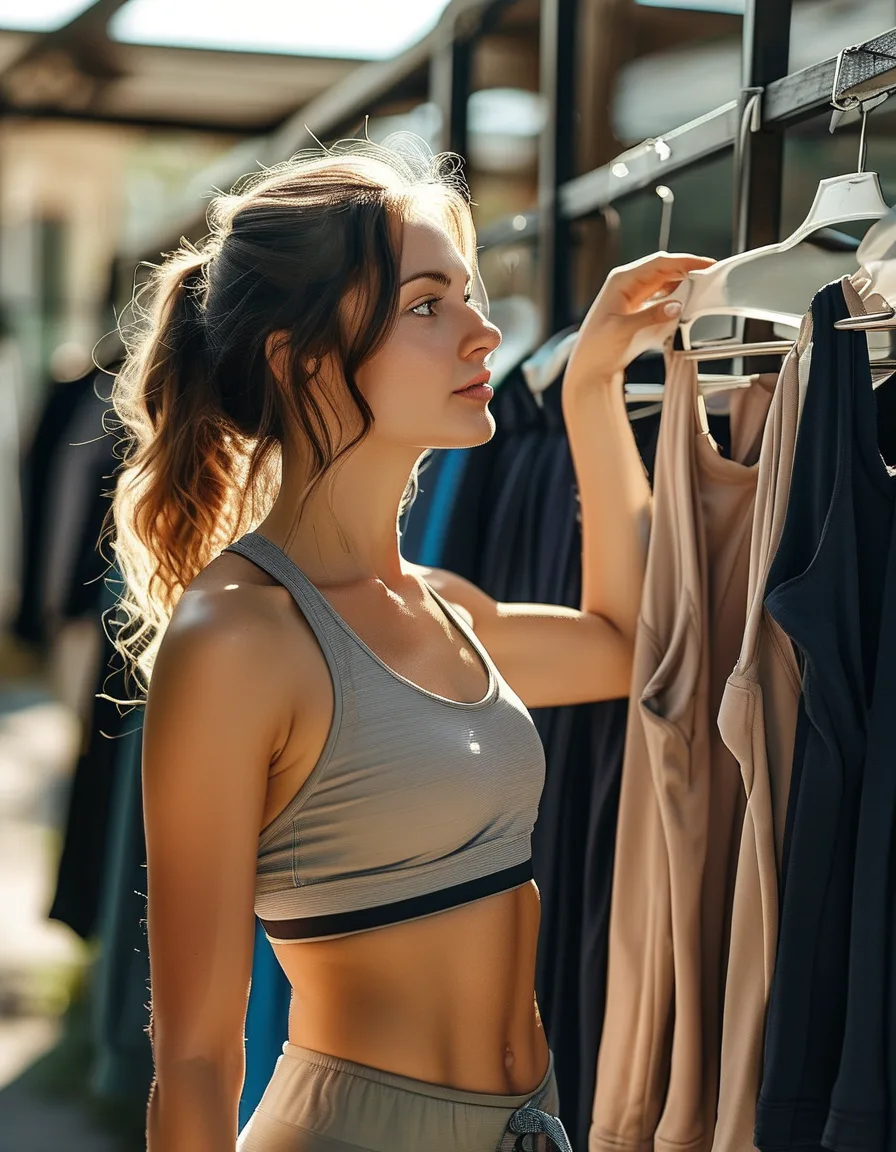
In direct sun, darker fabrics can run noticeably warmer at the surface than light or white fabrics of the same material and weight — the exact difference varies by fabric type, weave, and sun intensity, but the underlying physics (dark colors absorb more wavelengths of light, light colors reflect more) is well established and measurable, not marketing exaggeration.
The effect matters most for the surface temperature of the fabric itself and secondarily for how much radiant heat you feel — it’s a real but incremental factor alongside breathability, fit, and moisture-wicking performance, not the dominant variable in how hot a workout feels overall.
Does this matter for indoor workouts at all?
Barely — indoor workouts (gym, studio classes) aren’t exposed to direct solar radiation, which is the actual mechanism behind the color effect. Indoors, fabric breathability, weight, and moisture-wicking properties matter far more than color for how hot you feel, since there’s no sun to differentially absorb or reflect.
This is worth knowing because a lot of ‘wear light colors to stay cool’ advice gets applied indiscriminately when the underlying mechanism only really kicks in under direct sun exposure.
Is the effect big enough to actually change what you should wear?
For a short outdoor workout (a 20-30 minute walk or light jog), the difference is real but modest enough that fit, fabric breathability, and moisture-wicking performance likely matter more for comfort than color choice alone. For a long outdoor session in direct midday sun — a multi-hour hike, a long run at noon — color becomes a more meaningful factor worth actually weighing.
A practical middle ground many performance brands have landed on: light-to-medium colored fabric for pieces that see the most direct sun exposure (tops, hats) while keeping darker colors for pieces less exposed or for shorter, shaded activities.
What matters more than color for staying cool outdoors?
Fabric breathability and moisture-wicking performance consistently outweigh color in actual cooling effect — a well-ventilated, moisture-wicking light-colored top and a well-ventilated moisture-wicking dark-colored top will usually perform closer to each other than either compares to a poorly ventilated top of the ‘right’ color.
Loose or ventilated fit (mesh panels, looser cuts that allow airflow) also does more heavy lifting for actual comfort in heat than color alone — color is a real but secondary lever, not the primary one.
FAQ: Activewear Color and Heat Questions, Answered
Does UPF or sun protection rating relate to color at all?
Not directly — UPF rating depends on fabric weave density and treatment, not color, though tighter darker weaves sometimes incidentally offer slightly higher UPF. Check the actual UPF label rather than assuming based on color.
Is white activewear actually the coolest option, or does it show sweat too much?
White reflects the most light and runs coolest in direct sun, but it does show sweat and staining more visibly than mid-tone colors — a real practical tradeoff many people decide isn’t worth it despite the temperature benefit.
Does this apply to swimwear and sun exposure at the pool or beach too?
Yes, the same absorption principle applies to any fabric in direct sun — though for swimwear, time in water for cooling often outweighs fabric color’s effect on overall comfort.
TL;DR:
- Dark fabric absorbs more solar radiation and runs measurably warmer in direct sun
- The effect is minimal indoors — it only kicks in under actual sun exposure
- It matters most for long outdoor sessions in direct midday sun, less for short or shaded ones
- Breathability and fit generally outweigh color as the bigger comfort factor
Color is a real, secondary lever — worth considering for a long sunny session, not worth overhauling your entire wardrobe over.
Keep Reading
This article is for general informational and styling purposes only. Fit, sizing, and product availability may vary.