Why Some Activewear Pills Within Weeks and Some Never Does
Quick Answer: Pilling happens when short, loose fibers on a fabric’s surface rub together and tangle into small balls — fabrics blended with more synthetic fiber and looser weaves pill faster than tightly woven, higher-quality synthetic blends. Fabric construction matters more than fiber type alone.
Some activewear looks worn out after a month; other pieces look nearly new after two years of regular wear. That difference is mostly explainable by fabric structure, not luck or how carefully you personally treat clothes.
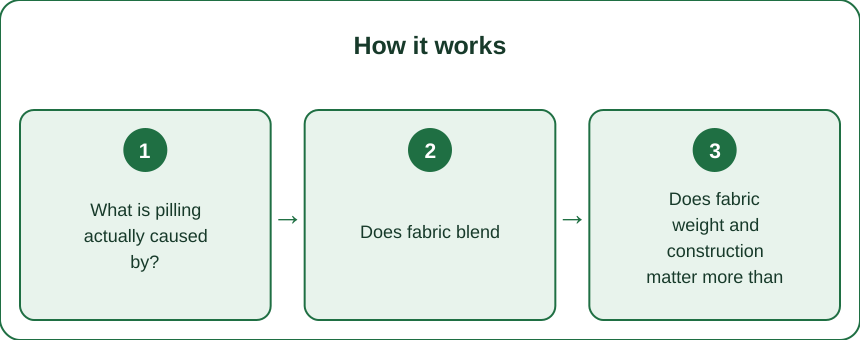
What is pilling actually caused by?
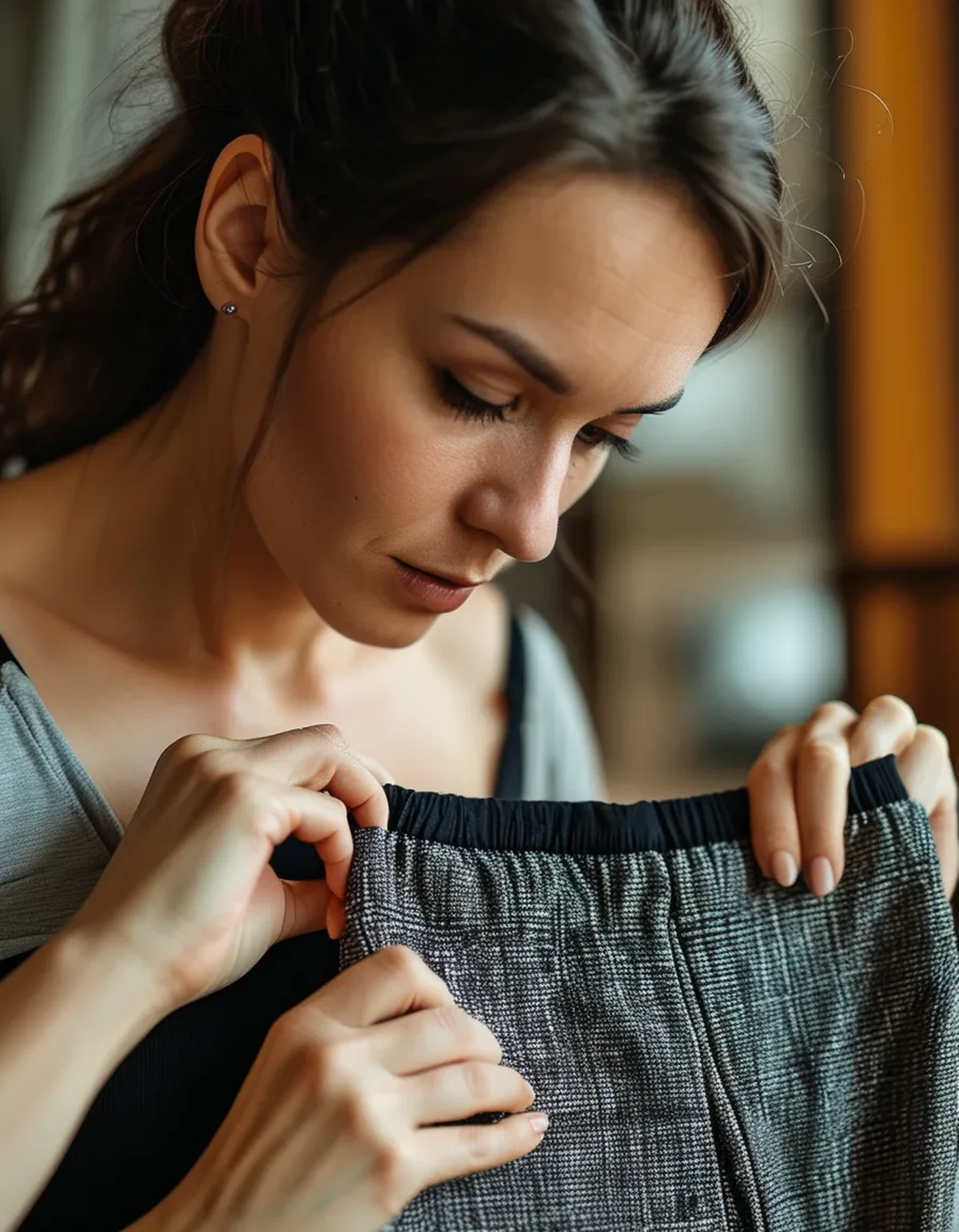
Friction causes short fibers on a fabric’s surface to work loose and tangle together into small balls, most commonly at high-friction points — inner thighs, underarms, anywhere fabric rubs against itself or another surface repeatedly. Looser, lower-density weaves have more loose fiber ends available to tangle, which is why cheap or thin fabric pills faster than a tightly constructed one, even in the same fiber blend.
Does fabric blend (polyester, nylon, spandex ratio) affect pilling?
Yes, meaningfully. Nylon-based blends generally resist pilling better than polyester-heavy blends, since nylon fibers tend to be stronger and less prone to breaking off into loose ends. Higher spandex content increases stretch recovery but doesn’t directly affect pilling — that’s more about the base fiber and weave density than the stretch component.
Does fabric weight and construction matter more than the fiber itself?
Often, yes. A tightly woven or knit heavier fabric resists pilling significantly better than a thin, loosely constructed fabric in the identical fiber blend — construction density determines how easily fibers can work loose in the first place. This is part of why premium activewear brands, which typically use denser fabric construction, pill less even with similar base fiber percentages to budget brands.
Myth vs Fact: Activewear Pilling
Myth: pilling means the fabric is low quality across the board. Fact: pilling is specific to surface fiber and friction resistance — a fabric can pill at high-friction zones while still performing well in stretch, moisture-wicking, and durability elsewhere.
Myth: washing on delicate cycle prevents pilling entirely. Fact: it reduces pilling meaningfully but doesn’t eliminate it if the fabric construction is inherently prone to it — gentle washing helps most with fabrics that are borderline, not ones that pill aggressively regardless.
Myth: all synthetic fabrics pill the same amount. Fact: nylon, polyester, and their specific weave densities vary substantially in pilling resistance even within the broad “synthetic” category.
What can you actually do to slow pilling on activewear you already own?
Wash inside out — this puts the high-friction outer surface against other fabric rather than the washing machine drum, reducing the friction that causes pilling. Use a gentle or delicates cycle with cold water, and skip the dryer when possible — heat and tumbling accelerate fiber breakdown at friction points.
A fabric shaver (small handheld pilling remover) can restore the look of mildly pilled pieces without needing to replace them — effective for maintenance, though it won’t stop future pilling from recurring at the same friction points.
FAQ: Activewear Pilling Questions, Answered
Does higher price always mean less pilling?
Correlated but not guaranteed — price often reflects denser fabric construction, but check reviews specifically mentioning pilling rather than assuming price alone predicts it.
Why does pilling concentrate at the inner thigh specifically?
That’s the highest-friction zone during walking and running — repeated fabric-on-fabric contact with every stride makes it the most common pilling location on leggings specifically.
Can pilled activewear be “fixed” or does it need replacing?
A fabric shaver restores appearance well for mild pilling, though heavily pilled fabric has usually also lost some structural integrity at that point, and shaving won’t reverse that.
TL;DR:
- Pilling comes from loose surface fibers tangling at high-friction points, not random bad luck
- Nylon-based and tightly woven fabrics resist pilling better than loose polyester-heavy blends
- Fabric weight and construction density often matter more than the fiber blend percentage alone
- Washing inside out on a gentle cold cycle and skipping the dryer meaningfully slows pilling over time
Pilling resistance is a genuinely shoppable fabric property — checking construction and reviews before buying prevents more of it than any washing habit after the fact.
See It in Motion
Seen here: High Waist Yoga Leggings with Inner Pocket — shop it on bubblelime.com
Keep Reading
This article is for general informational and styling purposes only. Fit, sizing, and product availability may vary.