Why the Same Leggings Can Feel Perfect for Yoga and Miserable for Running
A pair of leggings that feels ideal for a slow-paced yoga class can feel heavy, restrictive, or overly compressive during a run, not because the leggings are poorly made, but because different sports call for genuinely different fabric weights and stretch profiles that a single all-purpose pair rarely covers well.
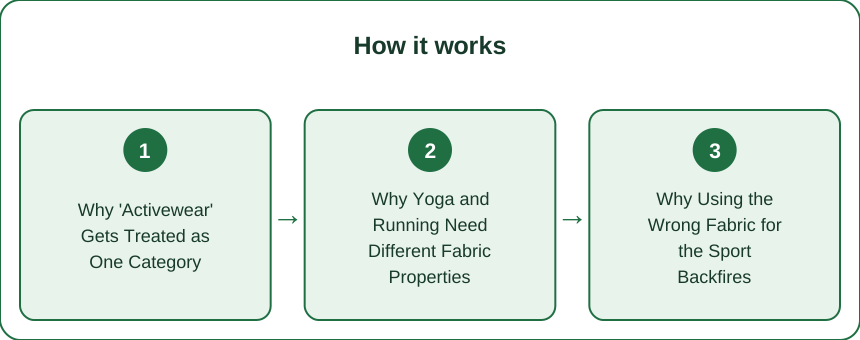
Why ‘Activewear’ Gets Treated as One Category
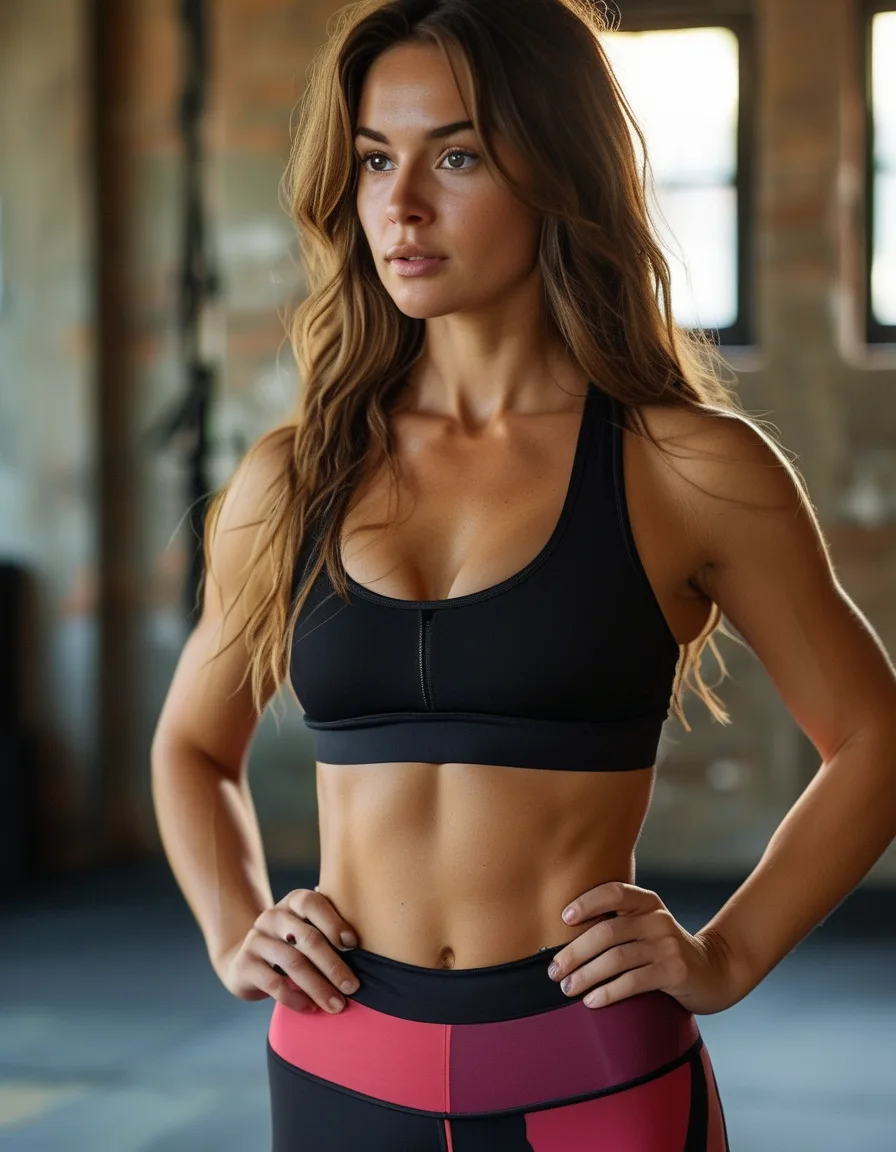
The oversimplification: leggings and tops marketed broadly as activewear implying they’re roughly interchangeable across activities, when the fabric engineering underneath actually varies significantly based on the movement patterns and intensity each sport demands.
Why Yoga and Running Need Different Fabric Properties
The mismatch: yoga favoring a heavier, four-way-stretch fabric with strong recovery for static holds and deep stretches, while running benefits from a lighter, more breathable fabric with less compression, since heavy compression fabric can restrict the higher range of motion and airflow running requires.
Why Using the Wrong Fabric for the Sport Backfires
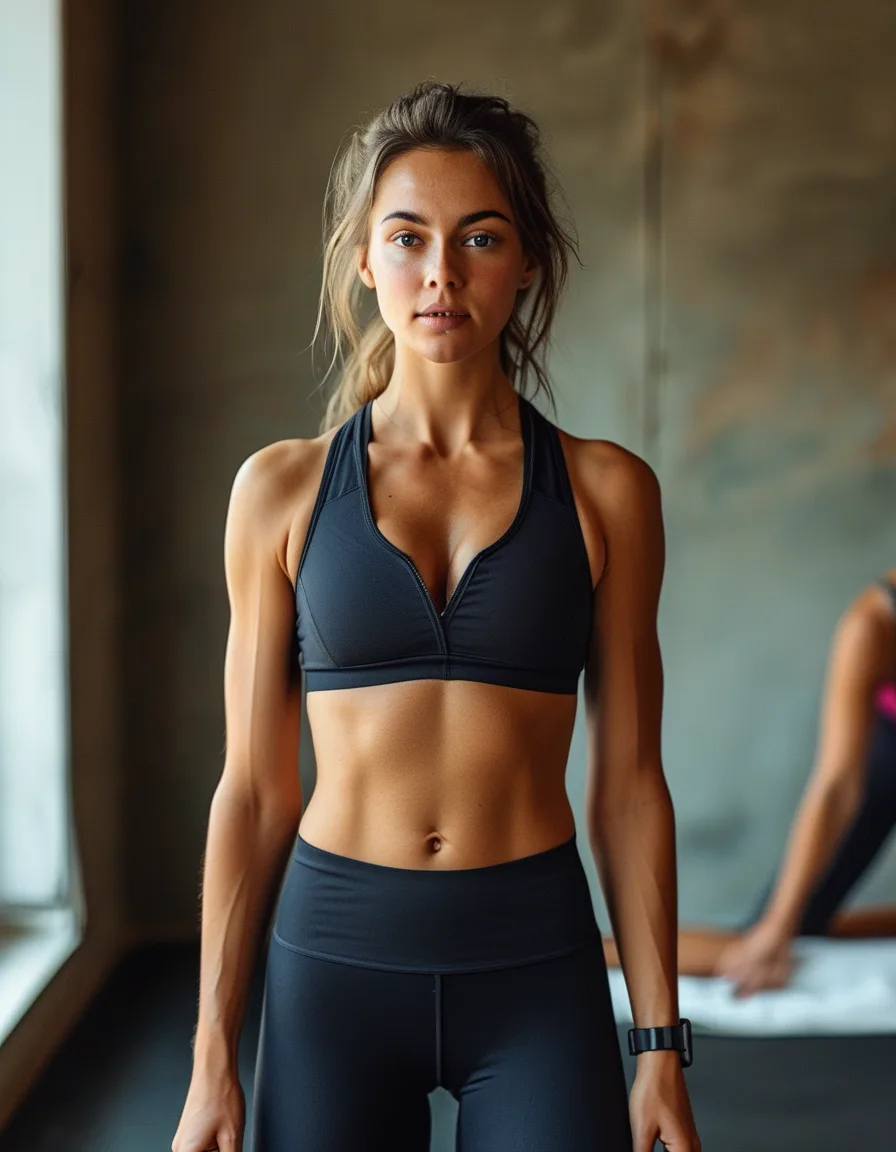
The consequence: heavier yoga-oriented fabric worn for running trapping more heat and restricting stride length, while lighter running-oriented fabric worn for yoga can lack the compression and structure needed for balance-heavy poses, meaning the mismatch shows up as genuine performance friction, not just a style issue.
How to Actually Match Fabric to the Activity
The practical approach: checking fabric weight and stretch description rather than assuming one all-purpose pair covers every activity, choosing lighter, moisture-wicking options for high-intensity cardio and heavier, structured compression fabric for slower, static-hold activities, and the frame (fabric weight and stretch profile suited to one sport can work against another — matching fabric to activity type is what actually determines comfort and performance.)
A pair of leggings that feels ideal for a slow-paced yoga class can feel heavy, restrictive, or overly compressive during a run, since yoga favors a heavier, four-way-stretch fabric with strong recovery for static holds and deep stretches, while running benefits from a lighter, more breathable fabric with less compression, because heavy compression fabric can restrict the higher range of motion and airflow running requires. Heavier yoga-oriented fabric worn for running traps more heat and restricts stride length, while lighter running-oriented fabric worn for yoga can lack the compression and structure needed for balance-heavy poses, meaning the mismatch shows up as genuine performance friction, not just a style issue. Checking fabric weight and stretch description rather than assuming one all-purpose pair covers every activity is what actually determines comfort and performance across different sports.
See It in Motion
Seen here: High Waist Yoga Leggings with Side Pockets — shop it on bubblelime.com
Keep Reading
This article is for general informational and styling purposes only. Fit, sizing, and product availability may vary.