Why the Same Leggings Feel Great in Pilates and Terrible in HIIT
Quick Answer: Pilates involves slow, controlled, mostly seated or floor-based movement that barely tests fabric stretch or moisture-wicking. HIIT demands fast, explosive, multi-directional movement and heavy sweat output — both of which expose limits in compression, four-way stretch, and breathability that pilates never touches.
A legging can be genuinely excellent and still fail a completely different movement profile. The fabric didn’t get worse between classes — the demands on it changed entirely.
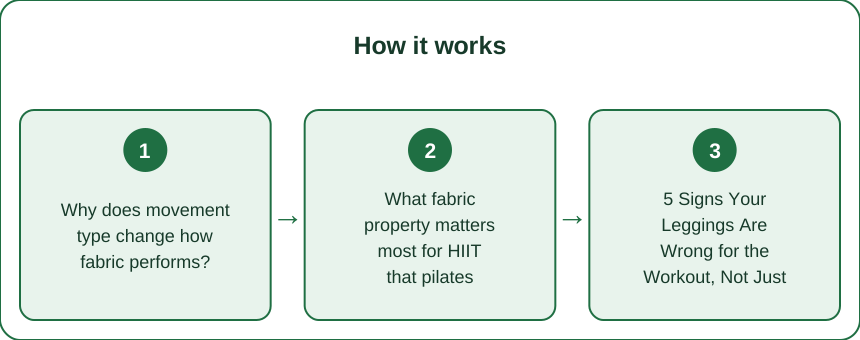
Why does movement type change how fabric performs?
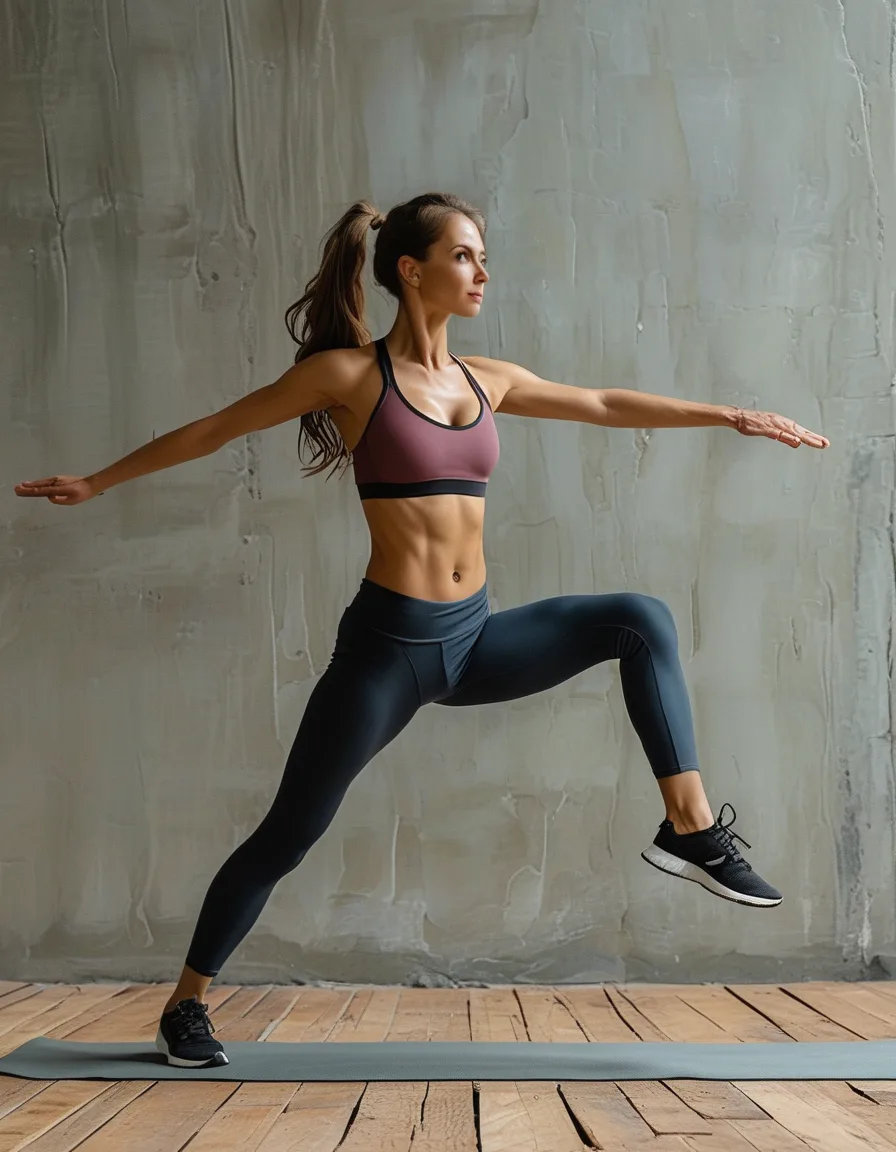
Pilates movements are largely slow, controlled, and within a limited range — think seated leg circles or gentle hip bridges. That barely stretches fabric to its actual limits, so even a moderately stretchy legging feels perfect.
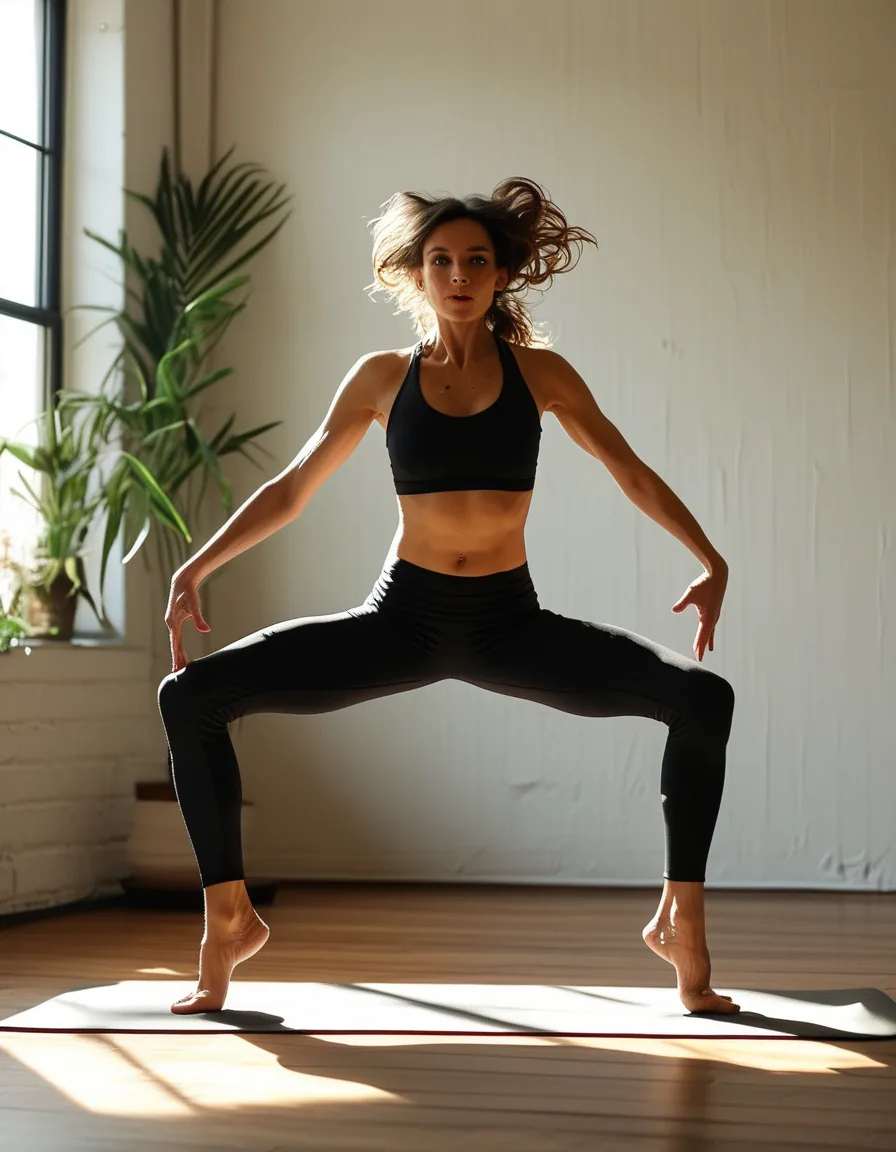
HIIT adds explosive, fast, multi-directional load — deep squats, wide lateral jumps, high knees. That pushes fabric toward its maximum stretch repeatedly and fast, and any fabric with even mild stretch limitations starts to feel restrictive or ride up under that stress.
What fabric property matters most for HIIT that pilates doesn’t test?
Recovery speed — how fast the fabric snaps back to shape after being stretched. Pilates rarely stretches fabric far enough to notice recovery lag. HIIT stretches it to near-max dozens of times per class, and slow-recovery fabric gradually loosens and bags out as the workout goes on, which reads as ‘losing shape’ mid-session.
Moisture management is the second big gap — pilates produces mild sweat, HIIT produces heavy, fast sweat that overwhelms fabrics without strong wicking, leaving heavy, clingy fabric that restricts movement further.
5 Signs Your Leggings Are Wrong for the Workout, Not Just Old
1. They ride up specifically during jumps but stay put during stretches — a stretch-recovery gap, not a sizing issue.
2. They feel heavy and wet within 10 minutes — a wicking gap that pilates’ lower sweat output never revealed.
3. Seams dig in during deep squats but not seated positions — a seam-placement issue only explosive range of motion exposes.
4. Waistband rolls during burpees but stays flat in floor work — the waistband wasn’t tested under that motion before.
5. Fabric feels ‘thin’ only once sweaty — some fabrics lose structural integrity when saturated, which slow, low-sweat pilates never triggers.
Should you actually own different leggings for different workout types?
For frequent HIIT or high-intensity training, yes — prioritize four-way stretch with fast recovery and moisture-wicking mesh panels. For pilates, barre, or yoga, softer, less compressive fabric with a higher rise usually feels more comfortable and doesn’t need the same performance ceiling.
One pair can do both reasonably well, but ‘reasonably well’ at both extremes usually means neither feels as good as a pair built specifically for the harder demand.
FAQ: Activewear by Workout Type Questions, Answered
Is it the same brand, different line issue, or fabric issue?
Usually fabric composition and weave, not brand quality — the same brand often makes both a compression-focused HIIT legging and a softer studio legging using genuinely different fabrics.
Do more expensive leggings always handle HIIT better?
Not automatically — price doesn’t guarantee four-way stretch recovery or wicking performance. Check the fabric composition and stretch claims specifically rather than price alone.
How can I test a new pair before committing to a full HIIT class in them?
Do 10 bodyweight squats and a few jumping jacks in the fitting room or at home — if the waistband rolls or fabric feels restrictive in that quick test, it will likely struggle through a full HIIT session.
TL;DR:
- Pilates barely tests fabric stretch limits; HIIT pushes fabric to near-max repeatedly
- Recovery speed and heavy-sweat wicking are the two properties HIIT exposes that pilates never does
- Riding-up, digging seams, and rolling waistbands during explosive moves point to a fabric mismatch, not a bad pair
- Consider separate leggings for high-intensity training versus slower studio classes
The legging isn’t lying to you in either class — it’s just being tested by two completely different movement demands.
See It in Motion
Seen here: High Waist Yoga Leggings with Side Pockets — shop it on bubblelime.com
Keep Reading
This article is for general informational and styling purposes only. Fit, sizing, and product availability may vary.