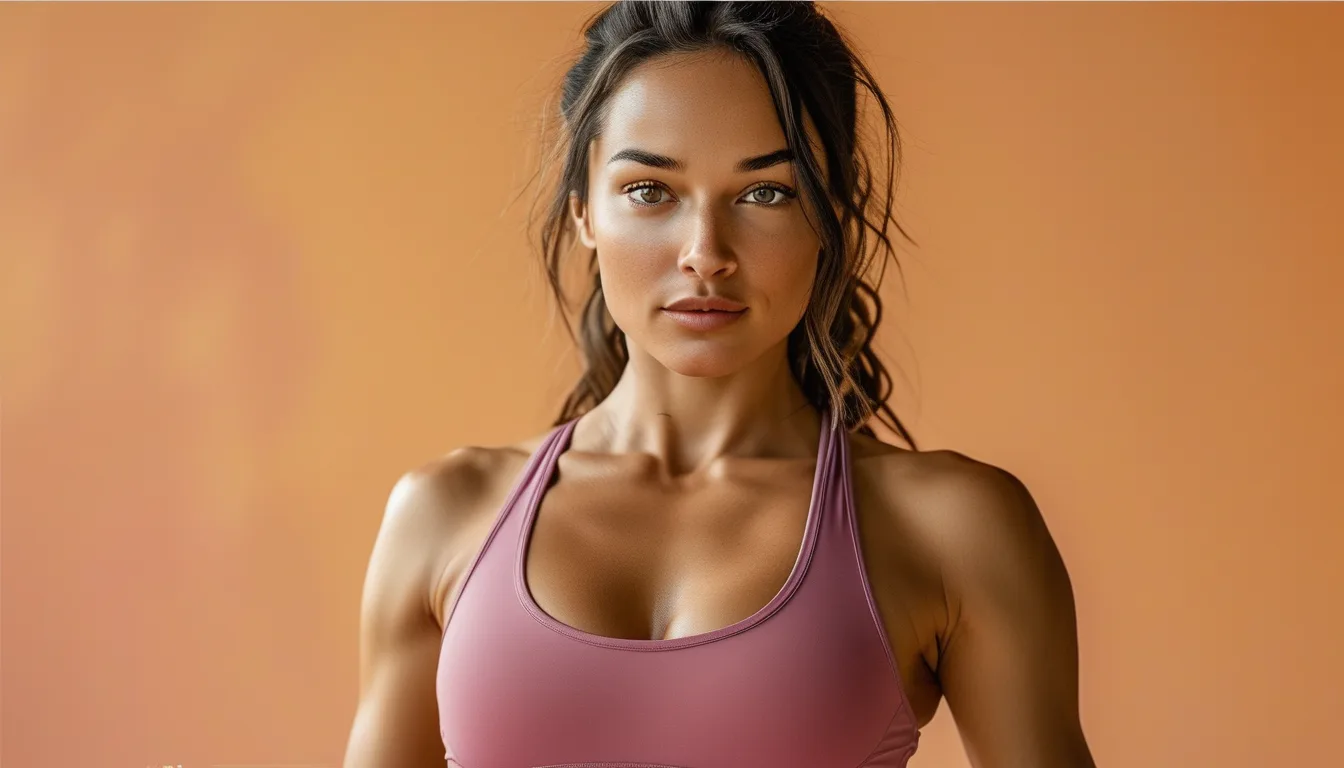
Compression Fit vs Relaxed Fit: Which Activewear Cut Actually Suits Your Sport
Quick Answer: Compression fit benefits activities with repetitive impact and a need for muscle stabilization — running, HIIT, weightlifting — by reducing muscle vibration and potentially aiding recovery. Relaxed fit suits activities needing a fuller range of motion and airflow, like yoga, hiking, or low-intensity recovery days.
Fit gets treated as a style preference more than a performance decision, but the two cuts genuinely do different physical jobs depending on what you’re asking your body to do.
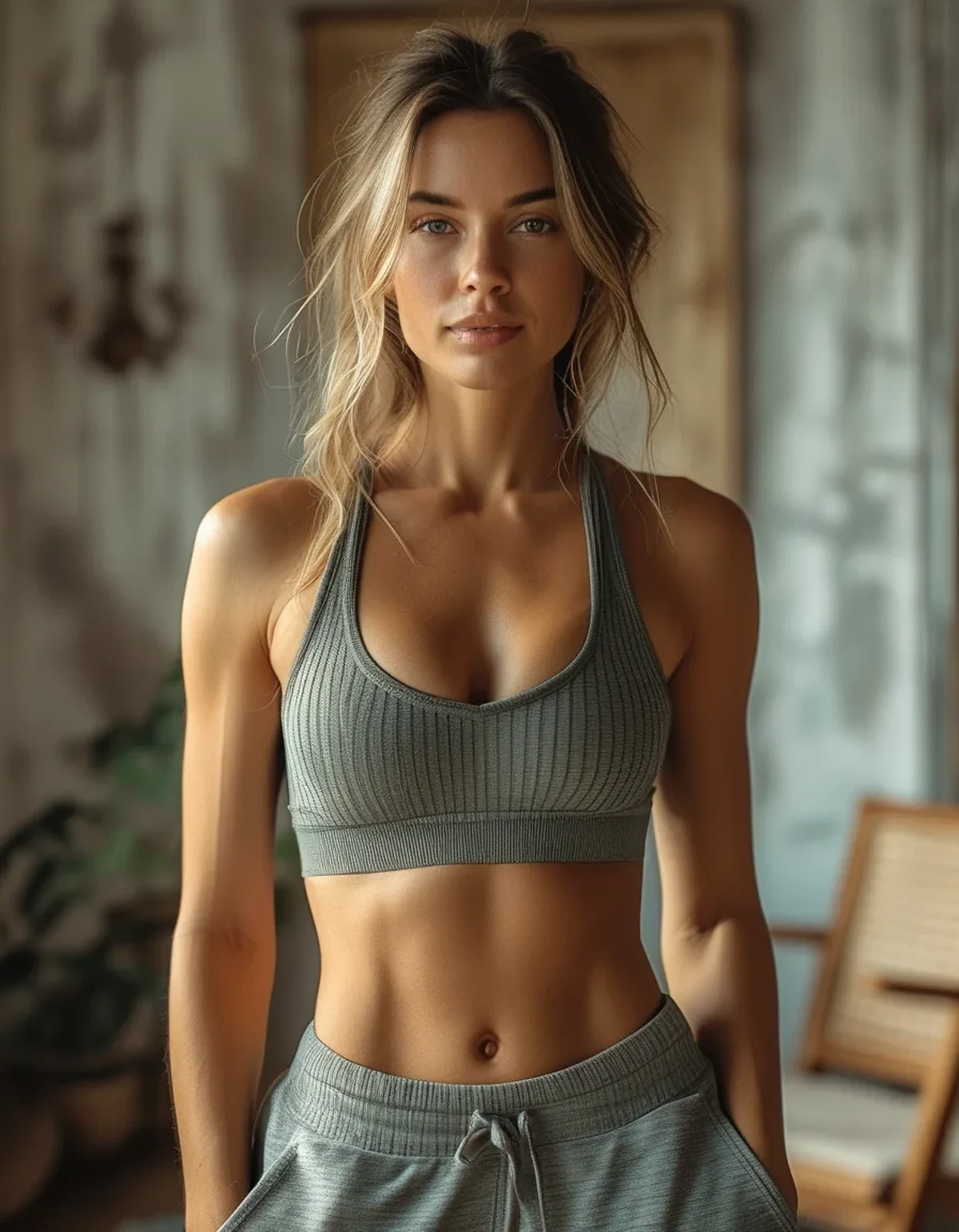
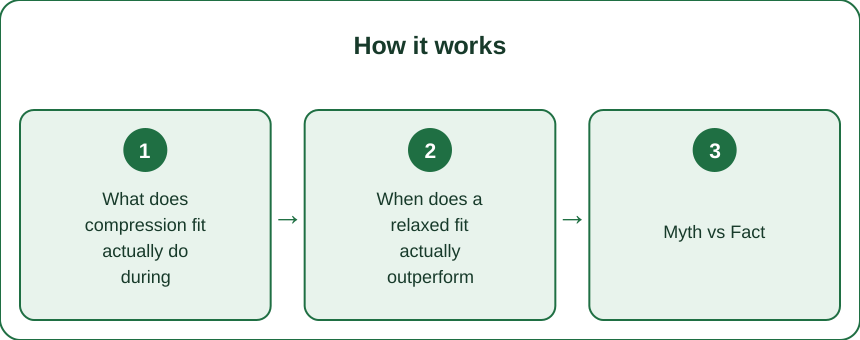
What does compression fit actually do during high-impact activity?
Compression fabric applies consistent, graduated pressure against the muscle, which research on the topic links to reduced muscle oscillation (the vibration and bounce that happens with every foot strike during running) and potentially less muscle fatigue over a long session. This is why compression is especially popular in running, where repetitive impact over miles adds up.
Some athletes also report a subjective feeling of better proprioception — a stronger sense of where their limbs are in space — while wearing compression during dynamic movement, though this experience varies by individual.
When does a relaxed fit actually outperform compression?
For activities requiring a large, unrestricted range of motion — yoga, mobility work, hiking with a lot of varied terrain — a relaxed fit avoids any restriction against deep stretches or unusual joint angles that a snug compression cut might resist. Relaxed fits also generally allow more airflow, which matters more during longer, lower-intensity sessions where overheating in tight fabric becomes a bigger comfort issue than muscle stabilization would be.
For recovery days specifically, many people prefer relaxed fit simply because the goal is deliberately reduced intensity, and compression’s performance benefits matter less when you’re not pushing hard.
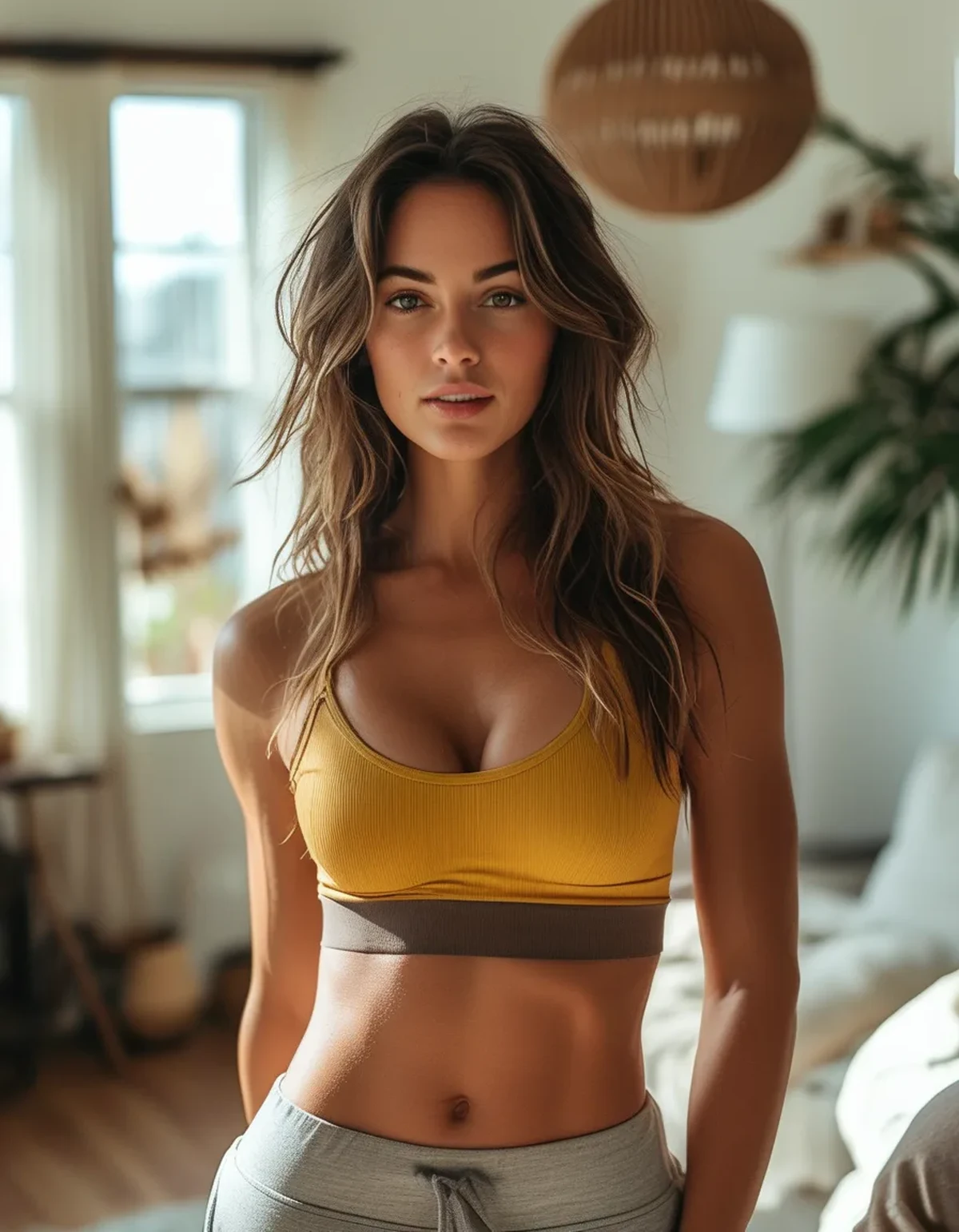
Myth vs Fact: Compression and Relaxed Fit Activewear
Myth: Compression clothing always improves athletic performance. Fact: Evidence is mixed and effects vary by individual and activity — compression seems to help most clearly with reducing muscle oscillation and subjective fatigue, not necessarily raw performance output.
Myth: Relaxed fit is only for low-intensity activities. Fact: Plenty of high-intensity activities like weightlifting also benefit from a semi-relaxed cut in certain areas (looser through the hip for squat depth, for example) even while using compression elsewhere.
Myth: You need to fully commit to one fit style across your whole wardrobe. Fact: Many people mix — compression leggings for running, relaxed joggers for yoga and recovery — matching cut to the specific activity rather than picking one style for everything.
How do you decide which fit to prioritize if you only want to buy one?
Base it on your most frequent, most demanding activity — if running or HIIT dominates your week, prioritize a compression legging as your workhorse piece. If your primary activity is yoga, hiking, or general low-to-moderate movement, a relaxed or semi-fitted piece will serve you better day to day, with compression as the occasional addition for higher-intensity sessions.
For activities that fall in between (general strength training, group fitness classes), a semi-fitted cut that isn’t full compression but isn’t fully relaxed either often works as a versatile middle-ground default.
FAQ: Compression vs Relaxed Fit Questions, Answered
Does compression clothing actually help with recovery?
Some research suggests compression wear post-exercise may support reduced perceived muscle soreness, though results vary and it shouldn’t be treated as a guaranteed recovery solution on its own.
Can compression fit be too tight and cause problems?
Yes — overly tight compression can restrict circulation or feel uncomfortable rather than supportive; graduated, well-fitted compression from a reputable brand is different from simply sizing down for a snugger feel.
Is relaxed fit less supportive for the muscles during exercise?
It offers less muscle stabilization than compression, but for lower-impact activities this generally matters less, since the muscle vibration compression addresses is primarily a concern during higher-impact, repetitive movement.
TL;DR:
- Compression fit reduces muscle oscillation and may aid perceived recovery for high-impact activity
- Relaxed fit supports full range of motion and airflow for yoga, hiking, and low-intensity days
- Many people mix both styles depending on the specific activity, not just one default
- Base your primary purchase on your most frequent, most demanding activity
The cut isn’t just about how it looks in the mirror — it’s quietly doing a specific job depending on what you’re asking your body to do that day. This is general information, not medical advice.
See It in Motion
Seen here: High Waist Yoga Leggings with Side Pockets — shop it on bubblelime.com
Keep Reading
This article is for general informational and styling purposes only. Fit, sizing, and product availability may vary.