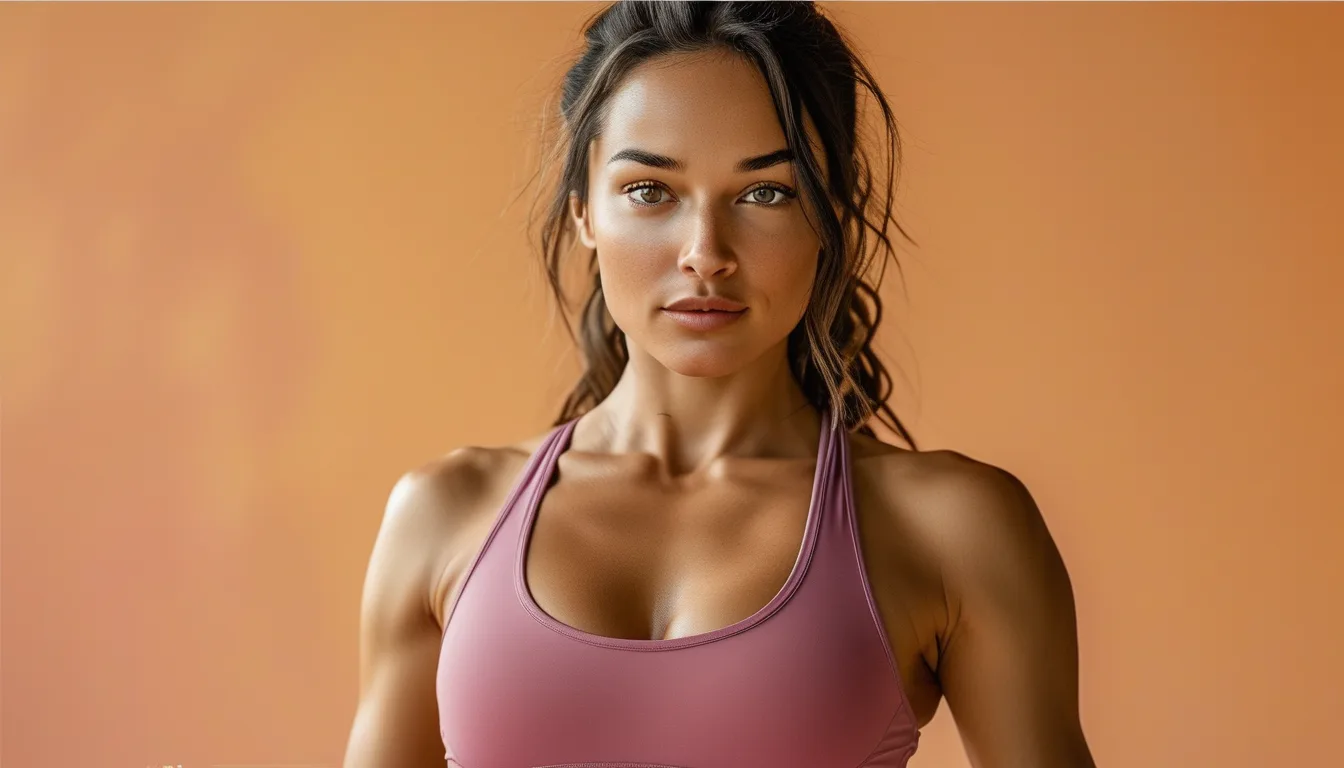
How to Choose Activewear When You Do Three Different Sports
Quick Answer: Sports differ mainly in three demands: impact level, range of motion, and heat output. Buy dedicated pieces only where those demands conflict — which is essentially bras, footwear, and anything with compression. Everything else can be shared. For most people doing three sports, that means three sport-specific bras and shoes, and one shared set of tops and bottoms chosen for the highest-motion activity in the rotation.
You lift twice a week, run twice, and take a yoga class on Sunday. Buying a full kit for each is absurd, but the running leggings ride up in pigeon pose and the yoga top is a liability on a treadmill.
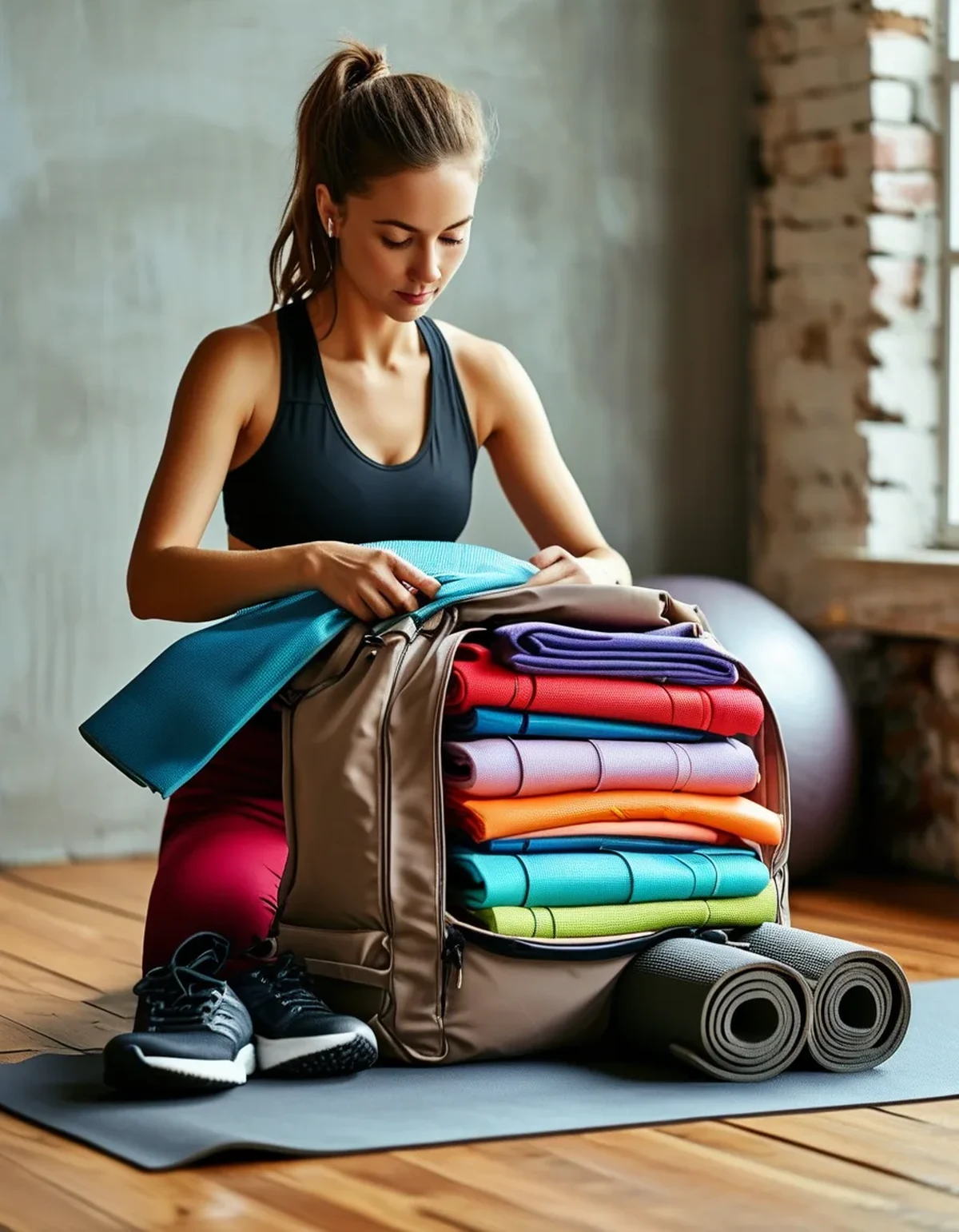
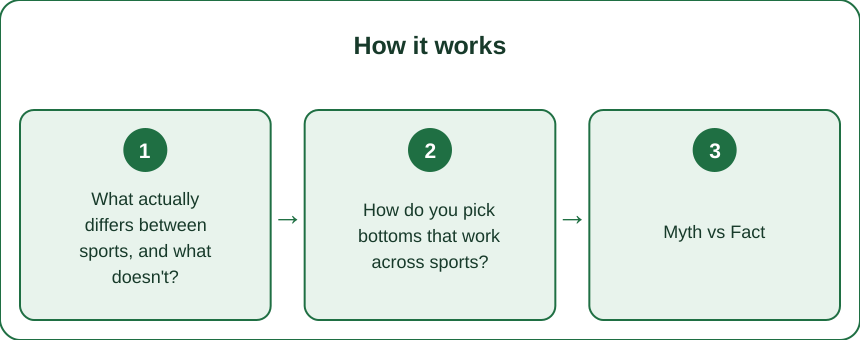
What actually differs between sports, and what doesn’t?
Less than the marketing suggests, but the differences are concentrated.
Impact level determines bra requirements and nothing else, really. High-impact activity — running, jumping, HIIT, court sports — needs genuine support. Low-impact — yoga, lifting, cycling, pilates — needs coverage and comfort. This is where sharing fails hardest.
Range of motion determines cut and fabric stretch. Yoga and mobility work need four-way stretch and a waistband that doesn’t fold at deep hip flexion. Running needs very little range but a lot of repetitive motion tolerance.
Heat output and duration determine fabric weight and moisture handling. A 60-minute run produces far more sweat volume than a 60-minute lifting session, and the fabric that handles one comfortably can feel clammy in the other.
What doesn’t differ meaningfully: color, brand, most “sport-specific” tops, and the vast majority of what’s marketed as sport-specific technology in bottoms.
So the honest split is: bras and shoes are sport-specific. Nearly everything else can be shared if you buy for the most demanding case.
How do you pick bottoms that work across sports?
Buy for the highest range-of-motion activity in your rotation, and the rest follows.
If yoga or mobility work is in the mix, that sets the bar: four-way stretch, a wide flat waistband that doesn’t roll at deep flexion, and a fabric with real recovery so it doesn’t bag out at the knees over a session.
Leggings that pass a yoga test will handle running, lifting, and cycling. The reverse isn’t true — a stiff compression running tight will restrict a deep squat or a pigeon pose.
Length is the second decision. Full-length works everywhere except hot outdoor running. 7/8 is the most versatile single choice — it clears the ankle for shoes and doesn’t bunch at the calf.
Skip the pockets debate by picking side-thigh pockets over waistband pockets. Waistband pockets shift weight at the least stable point and bounce during running. Thigh pockets stay put across everything.
One genuine exception: compression is not shareable. Graduated compression tights are useful for long runs and recovery and actively unhelpful for mobility work. If you want them, they’re a fourth item, not the shared pair.
Myth vs Fact: Cross-Training Gear
Myth: You need sport-specific tops. Fact: For nearly all indoor and moderate-weather activity, a good moisture-managing top works everywhere. The genuine exceptions are cold-weather running (needs wind resistance at the front) and swimming.
Myth: One bra can cover everything if it’s supportive enough. Fact: A high-impact bra worn for yoga is uncomfortably restrictive and often makes deep breathing harder. A low-impact bra worn for running is a comfort and tissue-strain problem. This is the one place the split is non-negotiable.
Myth: Cotton is fine for low-intensity sessions. Fact: Cotton holds roughly 25 times its weight in water and stays wet. It’s fine for a short session in a warm room and genuinely unpleasant anywhere else, including a cool studio after you’ve sweated.
Myth: Cross-training shoes work for running. Fact: They work for short distances. Trainers are built with a stable flat platform for lateral movement and lifting; running shoes are built with cushioning and forward-rolling geometry. Regular running mileage in trainers is where a lot of avoidable shin and knee complaints come from.
Myth: More expensive fabric performs better across more sports. Fact: Expensive fabric is usually optimized harder for one use case. Mid-range fabric is frequently more versatile precisely because it’s less specialized.
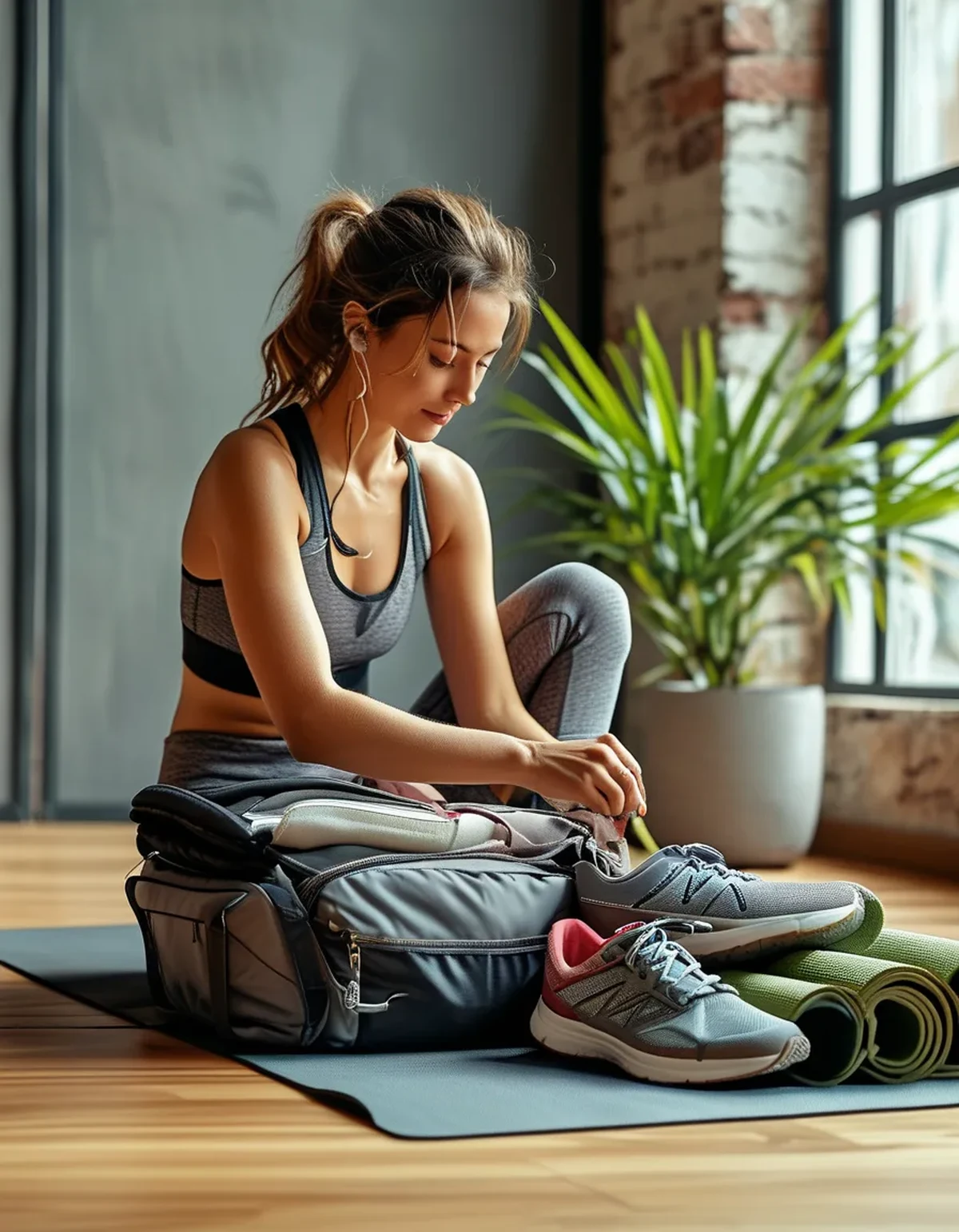
What’s the minimum viable multi-sport wardrobe?
For three sports and three to five sessions a week, this covers it:
Bras: two high-impact, two low-impact. Four total, rotated so each rests between wears.
Bottoms: three pairs of 7/8 leggings meeting the yoga standard, plus one pair of shorts if you run in heat.
Tops: three moisture-managing tees or tanks, plus one long-sleeve.
Layers: one light wind-resistant jacket, one warm mid-layer.
Shoes: running shoes and flat trainers. Two pairs, and don’t cross them.
Socks: five pairs of technical socks. This is the most under-bought item on most people’s list and the one most responsible for blisters.
That’s roughly 20 items covering everything, and the whole thing fits in one drawer.
The rotation principle matters more than the count. Elastane recovers over about 24 hours. Three pairs of leggings worn in rotation last considerably longer than three pairs where one is the favorite and gets worn every session.
Where is it worth spending more?
Concentrated in a few places, and not where most budgets go.
Spend on bras and shoes. These are the two categories where fit and construction genuinely change outcomes, and where cheap options fail fastest. A well-fitted high-impact bra changes whether you enjoy running.
Spend on socks. Cheap socks cause blisters, and blisters cause missed sessions. This is the highest return per dollar in the entire list.
Save on tops. The performance gap between a mid-range technical tee and a premium one is small and mostly about feel. Buy on fit and fabric weight, not price.
Save on anything with a sport name printed on it. “Yoga” leggings and “running” leggings from the same brand are frequently the same fabric with different waistbands and a price difference.
Be skeptical of seasonal collections. Buying the same proven piece repeatedly beats buying a new version each season, and brands change fabric specs between seasons without changing the product name — so a piece you loved two years ago may not be the same garment now. When you find one that works, buy two.
The overall shape: fewer, better, rotated. A smaller wardrobe worn in rotation outlasts a larger one worn by preference, and it makes the laundry decision trivial.
FAQ: Multi-Sport Activewear Questions, Answered
How many sports bras do I actually need?
At least two per impact category you train in, so each gets a rest day. Elastane needs about 24 hours to recover its shape, and consecutive-day wear is the fastest way to wear one out.
Can I wear running shoes for lifting?
For light lifting, yes. For anything heavy or anything requiring a stable base — squats, deadlifts, lateral work — the compressible heel is genuinely working against you. A flat shoe costs less than most running shoes and solves it.
Does washing activewear differently by sport matter?
No, but washing it correctly matters a lot. Cold water, no fabric softener, air dry, and wash sweaty items promptly. Softener coats synthetic fibers and destroys both moisture handling and odor resistance, which is the most common cause of the “it smells even when clean” problem.
TL;DR:
- Only bras and shoes genuinely need to be sport-specific; most other pieces can be shared.
- Buy bottoms for the highest range-of-motion sport in your rotation and everything else follows.
- Roughly 20 items covers three sports comfortably — rotation matters more than quantity.
- Spend on bras, shoes, and socks; save on tops and anything with a sport name printed on it.
The cross-training wardrobe problem is mostly a category problem, not a budget one. Split the three things that actually conflict, share the rest, and stop buying a fourth version of the same leggings.
See It in Motion
Seen here: High Waist 8” Yoga Shorts — shop similar styles on bubblelime.com
Keep Reading
This article is for general informational and styling purposes only. Fit, sizing, and product availability may vary.