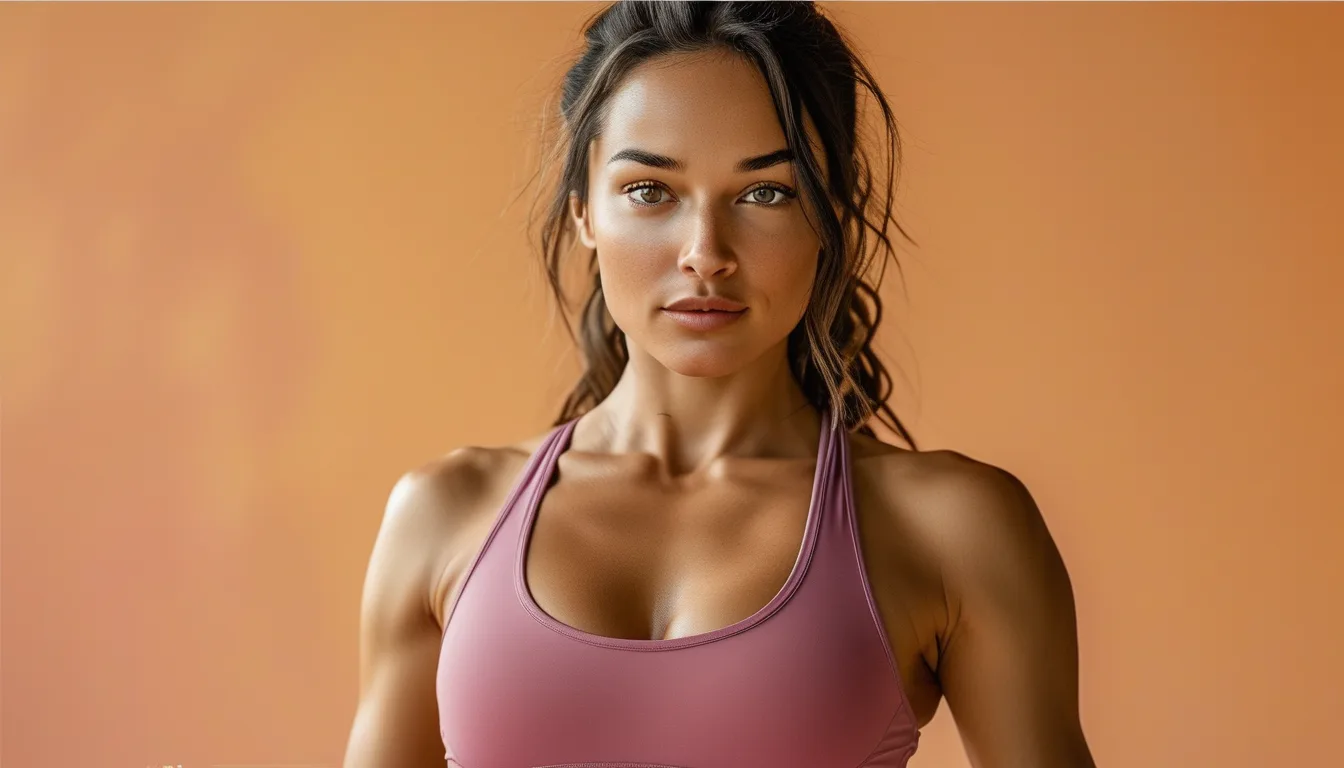
Why Activewear That Works Outdoors Fails Indoors in a Studio
Quick Answer: Outdoor kit is designed around moving air — wicking works because evaporation happens in a breeze. Indoors, air is still and often humid, so sweat cannot evaporate and the same fabric simply holds it. That is why a top that felt dry on a windy run feels heavy and clammy in a studio, even though nothing about the fabric changed.
Your favourite running top handles a cold, wet 10k without complaint. In a heated class it becomes a wet sheet by minute fifteen.
Same top, same body, entirely different physics.
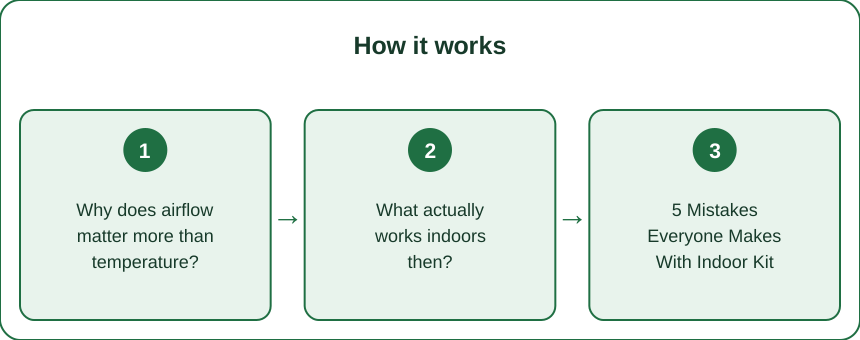
Why does airflow matter more than temperature?
Because wicking is only half of the process, and the second half is evaporation.
A technical fabric moves moisture from the skin to the outer face of the material and spreads it over a large surface area. That is wicking, and it is what the marketing describes. But wicked moisture then has to actually leave, and it leaves by evaporating into the surrounding air.
Evaporation needs two things: air that is not already saturated, and movement to carry the humid air away.
Outdoors you have both. Even a light breeze, plus the apparent wind from running or cycling, continuously replaces the saturated air next to your fabric with drier air. The system works.
Indoors you often have neither. Studio air is still, and a room full of people exercising raises humidity substantially within twenty minutes. The fabric wicks perfectly well, delivers the moisture to its outer surface, and then it just sits there.
The fabric has not failed. The environment removed the mechanism the fabric depends on.
What actually works indoors then?
Different priorities, and they are almost the reverse of outdoor priorities.
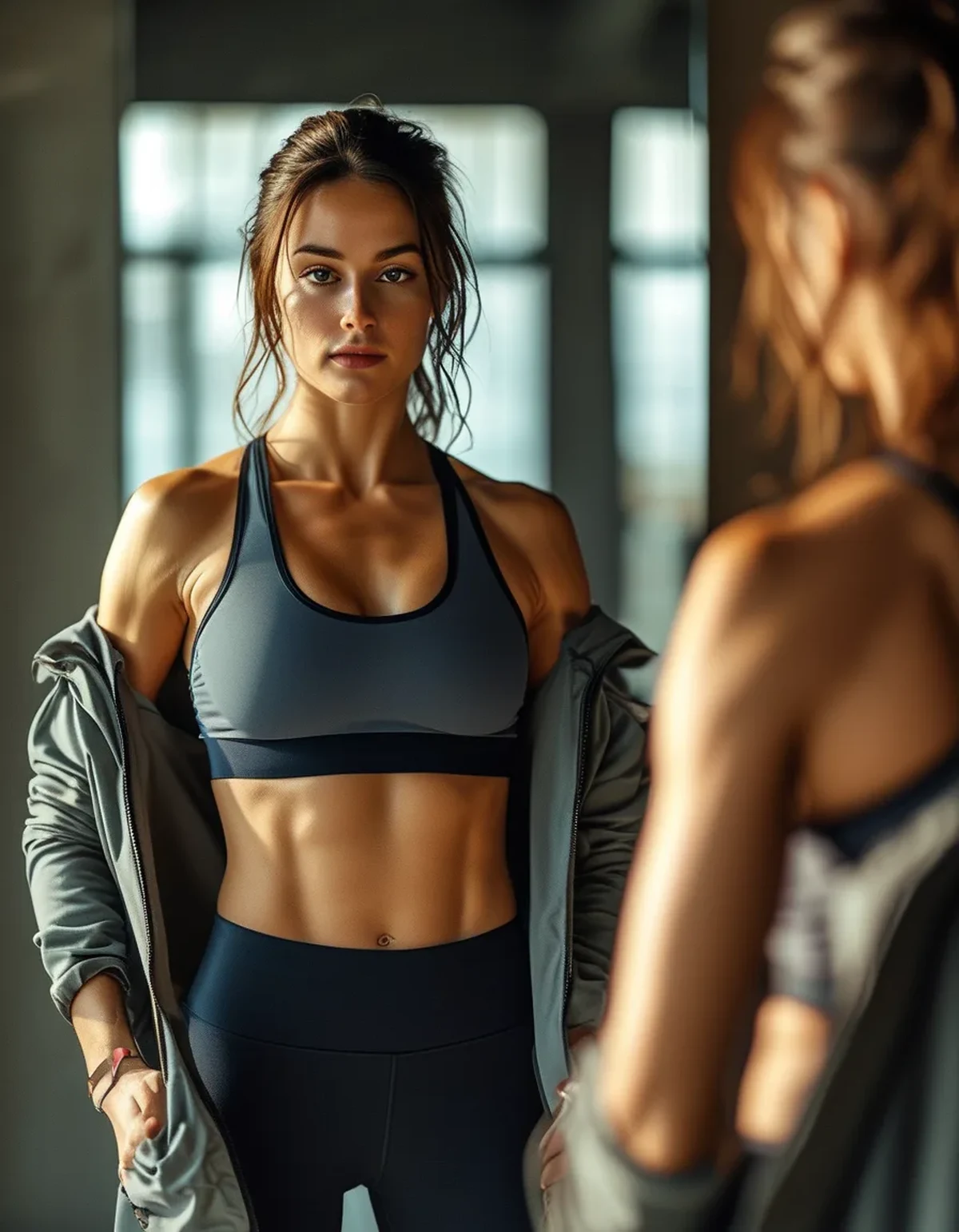
Less coverage, not better fabric. Indoors, the most effective moisture strategy is exposed skin, because skin evaporates directly and far more efficiently than any fabric does. This is the honest reason studio kit tends to be minimal, and it is functional rather than aesthetic.
Open structures over dense ones. Mesh panels, open knits and looser weaves allow air exchange even in still conditions. A dense, smooth performance fabric that is superb in wind is close to airtight indoors.
Looser fit through the torso. Loose fabric creates a small amount of air movement with every motion, which is genuinely useful when there is no external airflow. Compression fit works well outdoors where wind does the work and traps moisture indoors.
Merino behaves differently and often better. It holds a substantial amount of moisture within the fibre without feeling wet against the skin, which is precisely the property that helps when evaporation is slow.
Avoid anything with a wind-resistant face. The membranes and tight weaves that make a top great in wind make it a plastic bag in a studio.
5 Mistakes Everyone Makes With Indoor Kit
1. Wearing the same base layer indoors and out. The most common error and the easiest to fix. A dense wicking base designed for wind is the wrong garment in still air. Owning one loose, open top specifically for indoor sessions solves most complaints.
2. Layering indoors the way you layer outdoors. Outdoors, layers manage a changing environment. Indoors, the environment is fixed and warm, and each additional layer is another barrier to evaporation. Indoors you want one layer, and a second only for the warm-up.
3. Choosing dark colours for a heated class. Not for heat absorption, which is irrelevant indoors, but because sweat marks show dramatically on dark technical fabric and considerably less on light or patterned ones. This is a cosmetic point and it is the single most common complaint about studio kit.
4. Wearing cotton because it is comfortable. Cotton is not terrible indoors in the way it is outdoors — the risk of getting cold from wet cotton is much lower in a heated room. But it becomes heavy, it clings, and it holds odour badly. Comfortable for twenty minutes, unpleasant for sixty.
5. Assuming price indicates suitability. Expensive outdoor-oriented technical kit performs worse in a studio than inexpensive open-knit basics. The price is buying wind resistance, durability and weather protection, none of which apply indoors.
And one worth adding: not bringing a change of top. For anything over an hour in a humid room, the top will be saturated and it will not dry during the session. A dry top for the journey home costs nothing and is the difference between comfortable and miserable.
Does the same logic apply in reverse?
Yes, and studio kit outdoors fails in its own predictable way.
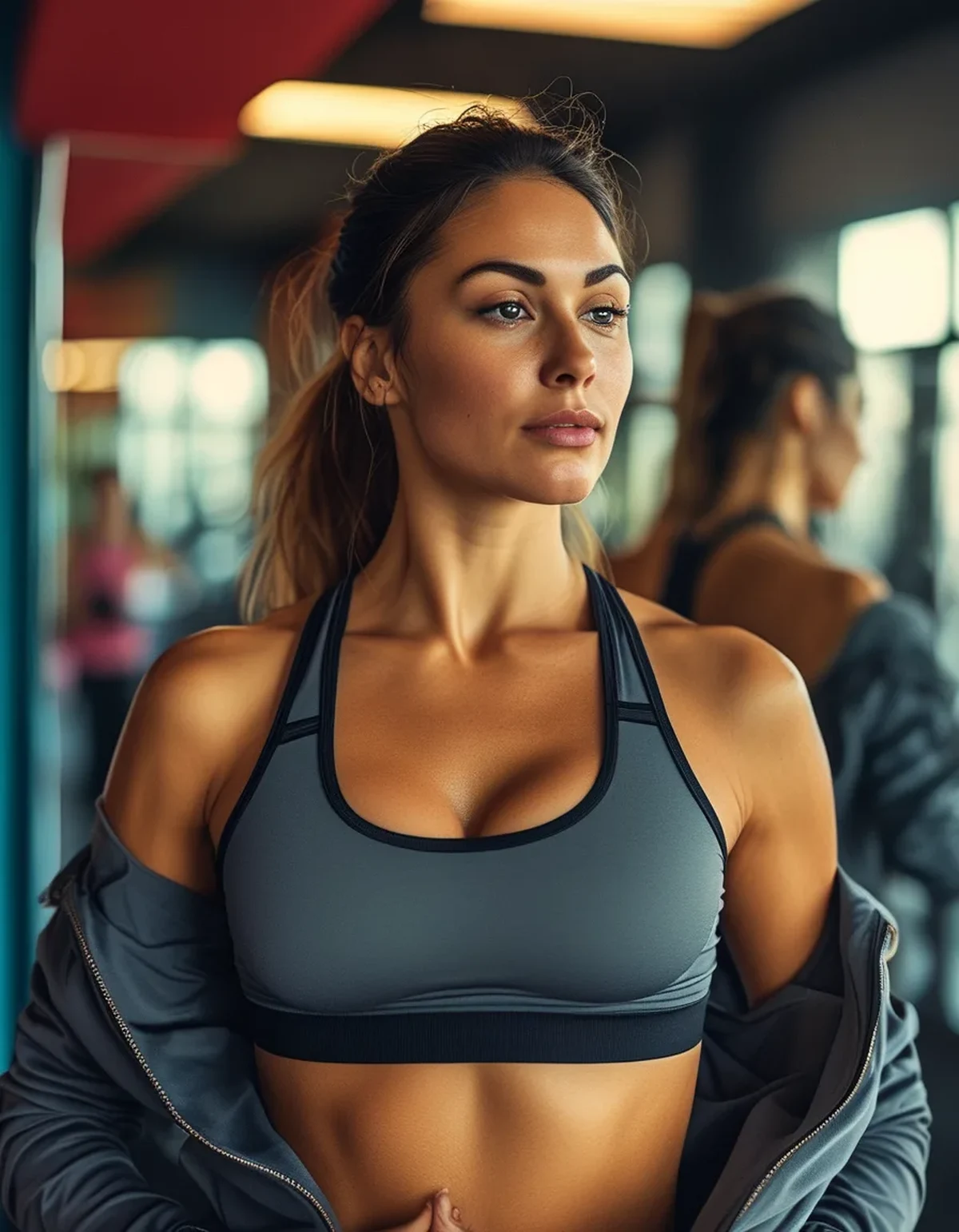
An open-knit crop and light leggings work indoors because evaporation is difficult and you want to help it. Take the same kit outside on a cool day and evaporation becomes very efficient — and efficient evaporation is exactly how you get cold.
Wind chill through an open-structure fabric is severe. The mesh panels that saved you in a studio are holes in a windbreak outdoors.
There is also the damp problem. Studio kit gets wet with sweat and, outdoors, wet fabric plus moving air removes heat fast. This is the mechanism behind getting cold on a run after a fast start, and it is more dangerous than uncomfortable in genuinely cold conditions.
The practical division most people arrive at:
- Indoor kit: minimal, open, loose through the torso, light coloured, one layer.
- Outdoor kit: closer fitting base, windproof outer layer, more coverage, layered so you can adjust.
The overlap is smaller than the marketing suggests, and treating them as one wardrobe is why so many people own a drawer full of technical clothing and still feel wrong in half their sessions.
What about heated classes specifically?
Heated studios push everything to an extreme and deserve their own rules.
In a room at 35-40°C with high humidity, evaporative cooling is severely limited regardless of what you wear. Your body’s primary cooling mechanism is partially disabled, and the correct clothing strategy is minimal coverage and nothing else.
Anything that covers the torso will be completely saturated. This is not a fabric quality issue and no garment prevents it.
Grip matters more than usual. Wet skin and wet fabric both slip, which is a practical issue in any class involving hands or feet on a mat.
Waistbands become the failure point. A high compression waistband in a heated room traps moisture against the skin, chafes, and rolls once saturated. A wider, softer band handles it considerably better.
Hydration matters more than clothing in these environments. No fabric choice compensates for arriving under-hydrated in a heated room.
And worth saying plainly: feeling extremely hot and struggling to cool down in a heated class is the environment working as designed, but dizziness, nausea, stopping sweating, or confusion are not. Those are signs to leave the room, and they are not something to push through. This is general information, not medical advice — if you are pregnant, have cardiovascular conditions, or take medication affecting heat regulation, get advice before heated classes.
FAQ: Indoor vs Outdoor Kit, Answered
Do I need two separate sets of activewear?
For anything more than occasional training, yes — and it need not be a full duplicate wardrobe. One loose open top and one pair of lighter leggings for indoor use, alongside your outdoor kit, covers most of the gap. Bottoms transfer between environments better than tops do.
Why does my kit smell worse after indoor sessions?
Because it stays wet longer. Odour-causing bacteria thrive in fabric that remains damp, and a top that stays saturated through a session and then sits in a bag develops smell far faster than one that dried on a windy run. Rinsing in cold water straight after helps considerably.
Is there any fabric that genuinely works in both?
Merino comes closest, because it manages moisture within the fibre rather than relying entirely on evaporation, and it resists odour well. It is slower to dry and more expensive, and it does not solve heated classes, where nothing does. For temperate indoor and outdoor use it is the most genuinely versatile option available.
TL;DR:
- Wicking depends on evaporation, and evaporation depends on moving, unsaturated air — which studios do not have.
- Indoors, prioritise open structures, looser torso fit, less coverage, and light colours; avoid wind-resistant faces and layering.
- Studio kit outdoors fails in reverse, because efficient evaporation plus wind chill makes you cold fast.
- In heated classes no fabric prevents saturation; minimise coverage, watch waistbands for chafing, and prioritise hydration.
- Merino is the closest thing to a genuinely dual-purpose fabric, and bottoms transfer between environments better than tops.
The frustrating part is that both sets of kit are working exactly as designed — they are just designed for opposite conditions. Once you stop expecting one wardrobe to cover both, the problem stops being a fabric disappointment and becomes a straightforward matter of picking the right top on the way out of the door.
See It in Motion
Seen here: High Waist Yoga Leggings with Inner Pocket — shop it on bubblelime.com
Keep Reading
This article is for general informational and styling purposes only. Fit, sizing, and product availability may vary.