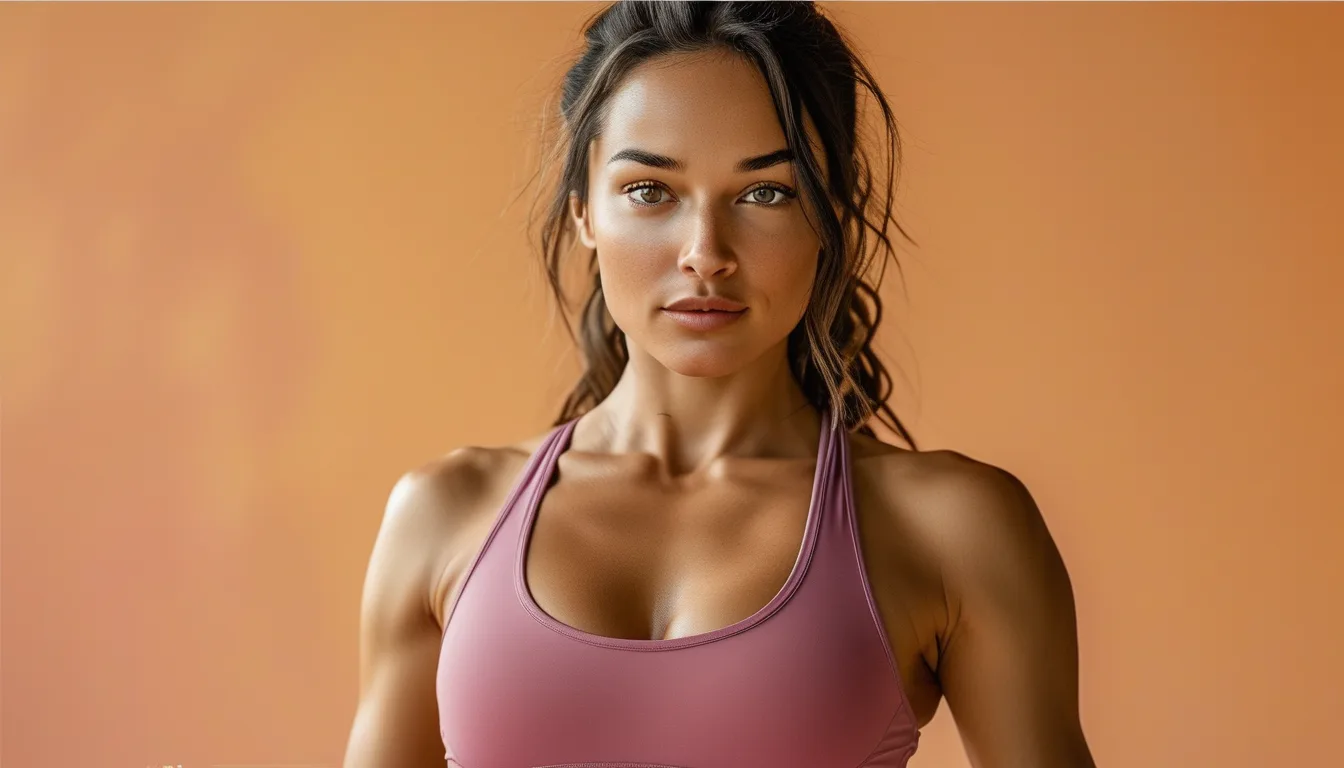
Why the Same Pair of Leggings Feels Perfect for Yoga But Wrong for Running
Quick Answer: Different activities put different demands on fabric compression, sweat-wicking speed, and seam placement — a legging engineered for the slow, static holds of yoga (softer compression, less aggressive wicking) can feel too soft and sweat-retentive during the higher-impact, faster-moving demands of running, even though it’s the same general ‘legging’ category.
You didn’t think twice about wearing your favorite yoga leggings to a run. Somewhere around mile two, the fabric felt heavy with sweat and the waistband kept shifting in a way it never does during yoga. That’s not the leggings failing — it’s a mismatch nobody warns you about.
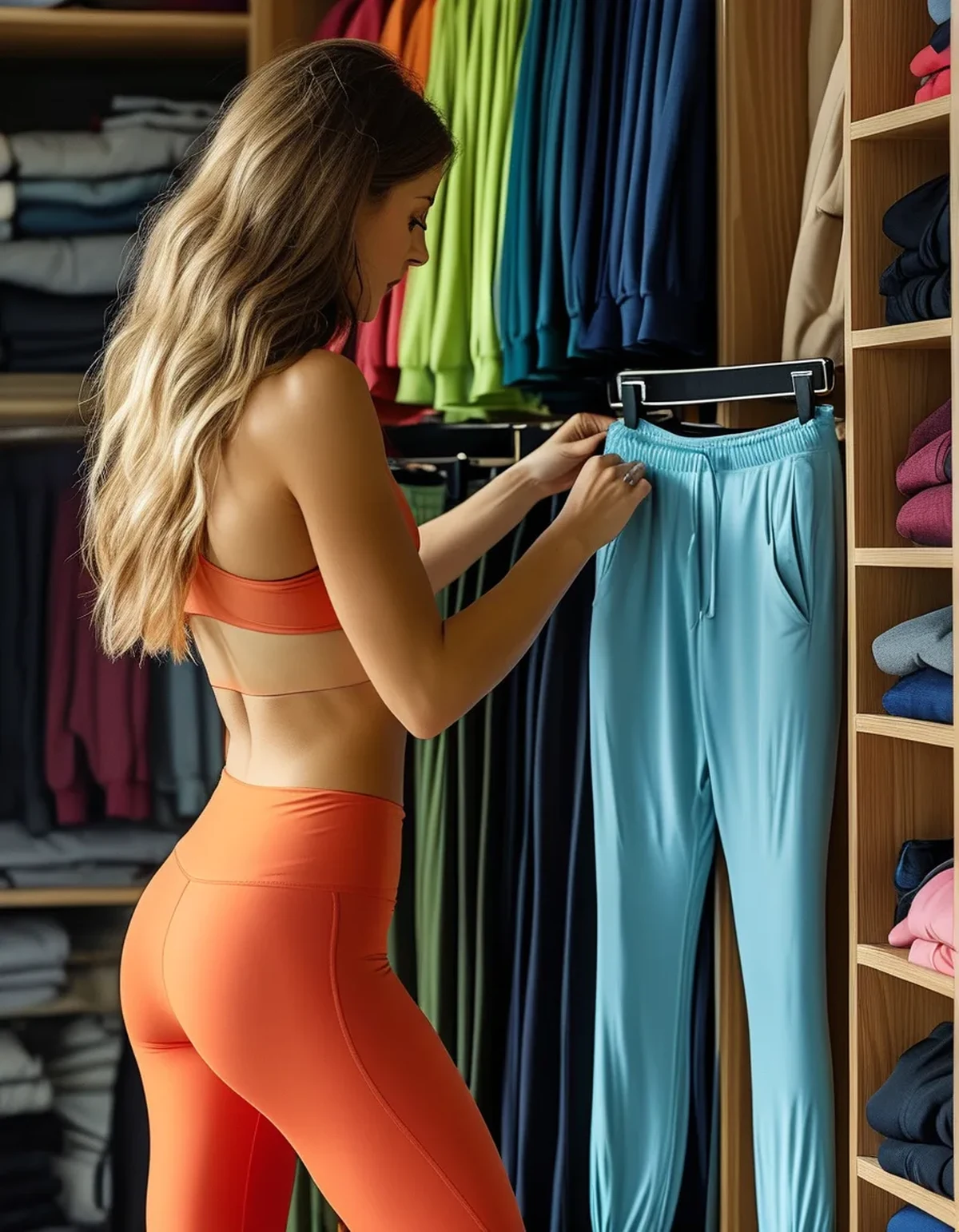
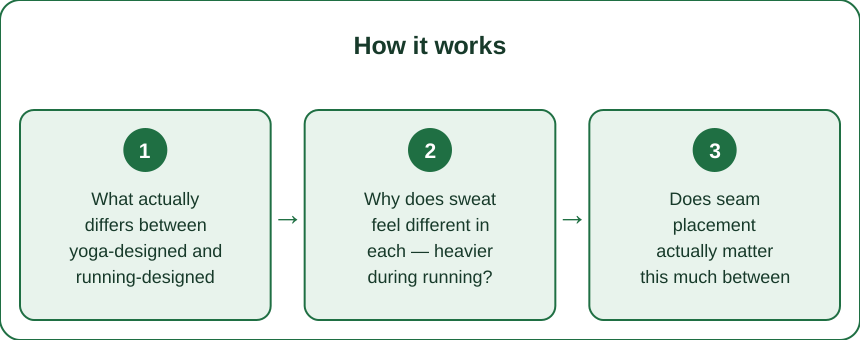
What actually differs between yoga-designed and running-designed leggings?
Yoga leggings typically prioritize softer, more flexible compression that allows deep static stretches and floor work comfortably, often using fabric blends optimized for stretch recovery in slow, held positions rather than rapid moisture management. Running leggings prioritize faster moisture-wicking and firmer, more supportive compression designed for repetitive high-impact motion over sustained periods, which is a genuinely different engineering target.
Why does sweat feel different in each — heavier during running?
Running generates more continuous, higher-volume sweat over a longer sustained effort than most yoga sessions, and yoga-optimized fabric isn’t built to wick that volume as quickly. The fabric that felt perfectly breathable through a 45-minute yoga class can become saturated and heavy well before a comparable-length run finishes, simply because the sweat volume and duration profile is different.
Does seam placement actually matter this much between activities?
Yes — running leggings typically use flatlock seams positioned to avoid chafing during the repetitive forward-leg motion of running specifically, while yoga leggings prioritize seam placement that doesn’t dig in during deep folds and twists. A seam that’s perfectly comfortable in a seated forward fold can become an irritating chafe point after thousands of running strides.
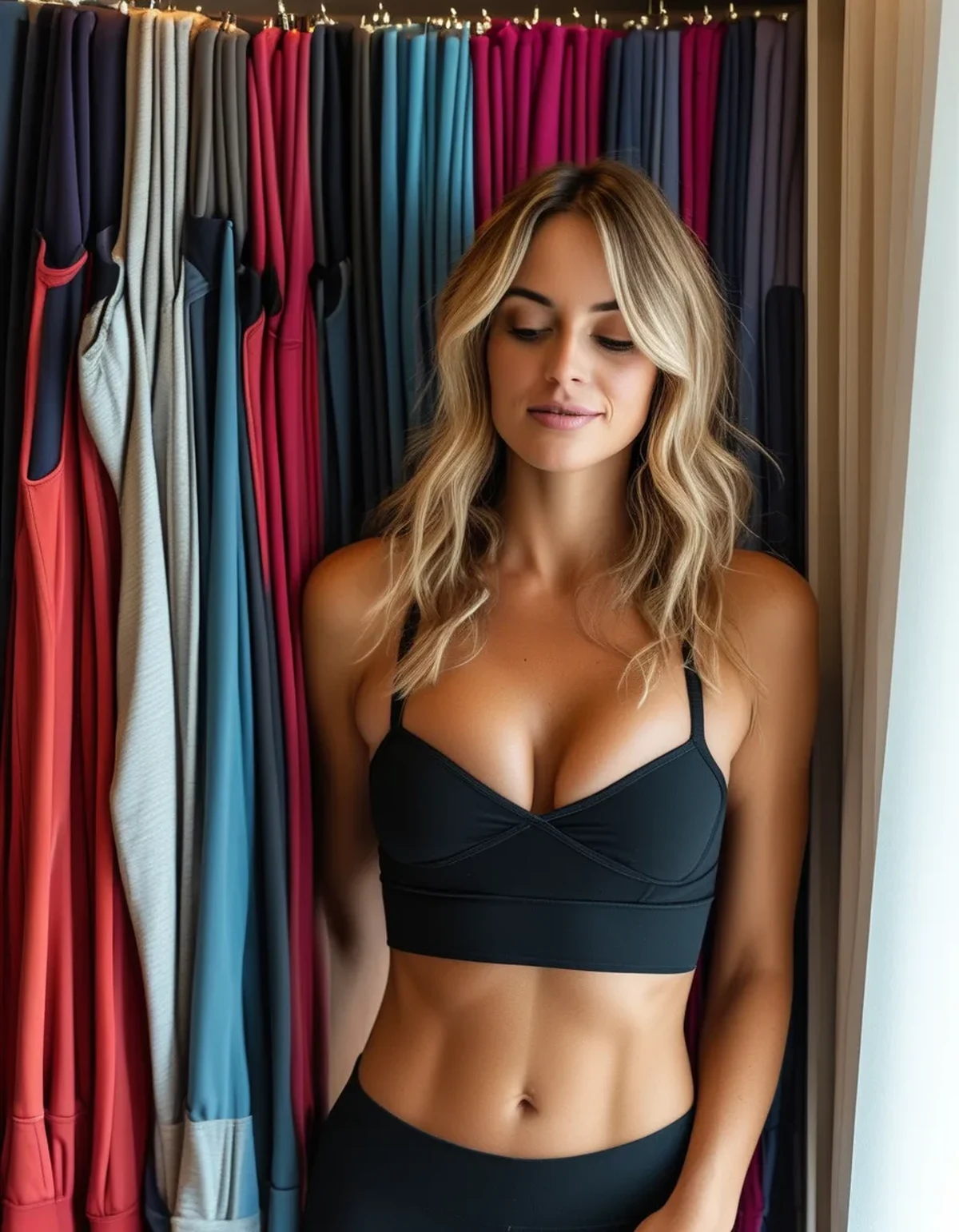
What Nobody Tells You About ‘Universal’ Activewear Marketing
Here’s the part marketing often glosses over: many leggings labeled broadly as ‘workout leggings’ without specifying an activity are actually optimized for one primary use case (often yoga or general gym use) and simply tolerated, not optimized, for others. Reading the specific fabric technology described on the product page — moisture-wicking speed, compression level — tells you more about actual intended use than the general ‘activewear’ category label does.
Myth vs Fact: Activity-Specific Leggings
Myth: All leggings labeled ‘workout leggings’ perform equally across activities. Fact: Most are optimized for one primary activity type and only tolerated for others.
Myth: Compression level is just a comfort preference, not activity-specific. Fact: Compression firmness is genuinely engineered differently for static holds versus repetitive high-impact motion.
Myth: If leggings feel great for one workout, they’ll feel the same for any workout. Fact: Sweat volume, seam stress points, and compression needs all vary meaningfully by activity.
FAQ: Activewear Fabric Questions, Answered
Is it worth owning separate leggings for yoga versus running?
For frequent practitioners of both, yes — the fabric and seam differences are noticeable enough to matter for comfort and performance in each.
How can I tell fabric intent from a product description?
Look for specific claims like ‘four-way stretch for flow’ (yoga-leaning) versus ‘moisture-wicking, high-impact support’ (running-leaning) rather than generic ‘activewear’ language.
Does price correlate with how activity-specific a legging actually is?
Not reliably — some budget lines are surprisingly activity-specific in fabric tech, while some premium lines market broadly without real activity optimization.
TL;DR:
- Yoga and running leggings are engineered for genuinely different demands — compression style, wicking speed, and seam placement all differ
- Heavier sweat retention during running versus yoga is often a fabric mismatch, not a fluke
- Seam placement optimized for static folds can chafe during repetitive running strides
- ‘Workout leggings’ as a generic label often means optimized for one activity and merely tolerated for others
Next time a legging feels off for a specific workout, check the product’s fabric description rather than assuming all ‘leggings’ are interchangeable across activities.
See It in Motion
Seen here: High Waist 8” Yoga Shorts — shop similar styles on bubblelime.com
Keep Reading
This article is for general informational and styling purposes only. Fit, sizing, and product availability may vary.