Why Your Summer Training Kit Fails on the First Cool Morning
Quick Answer: Summer training fabric is built to move sweat outward and evaporate it fast — which cools you deliberately. In cool air that same evaporation makes you cold, especially once you slow down or stop. The fix is not more insulation but managing moisture: a fitted next-to-skin layer that moves sweat, a removable mid layer, and dressing to feel slightly cold for the first 10 minutes.
Three perfect months in the same kit.
One cool morning and it is completely wrong.
The fabric is doing exactly what it was designed to do.
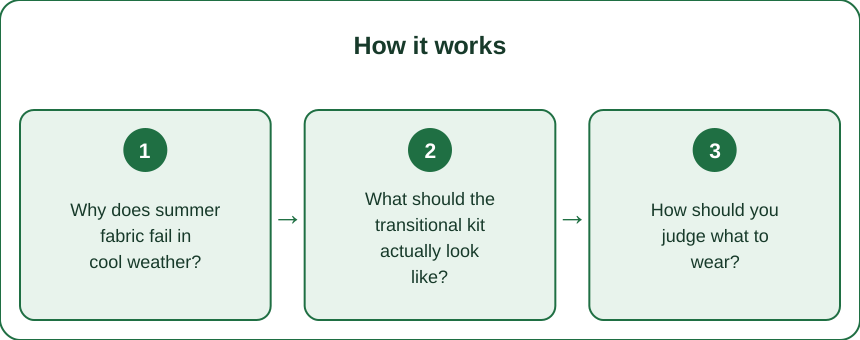
Why does summer fabric fail in cool weather?
Because its main feature becomes a liability.
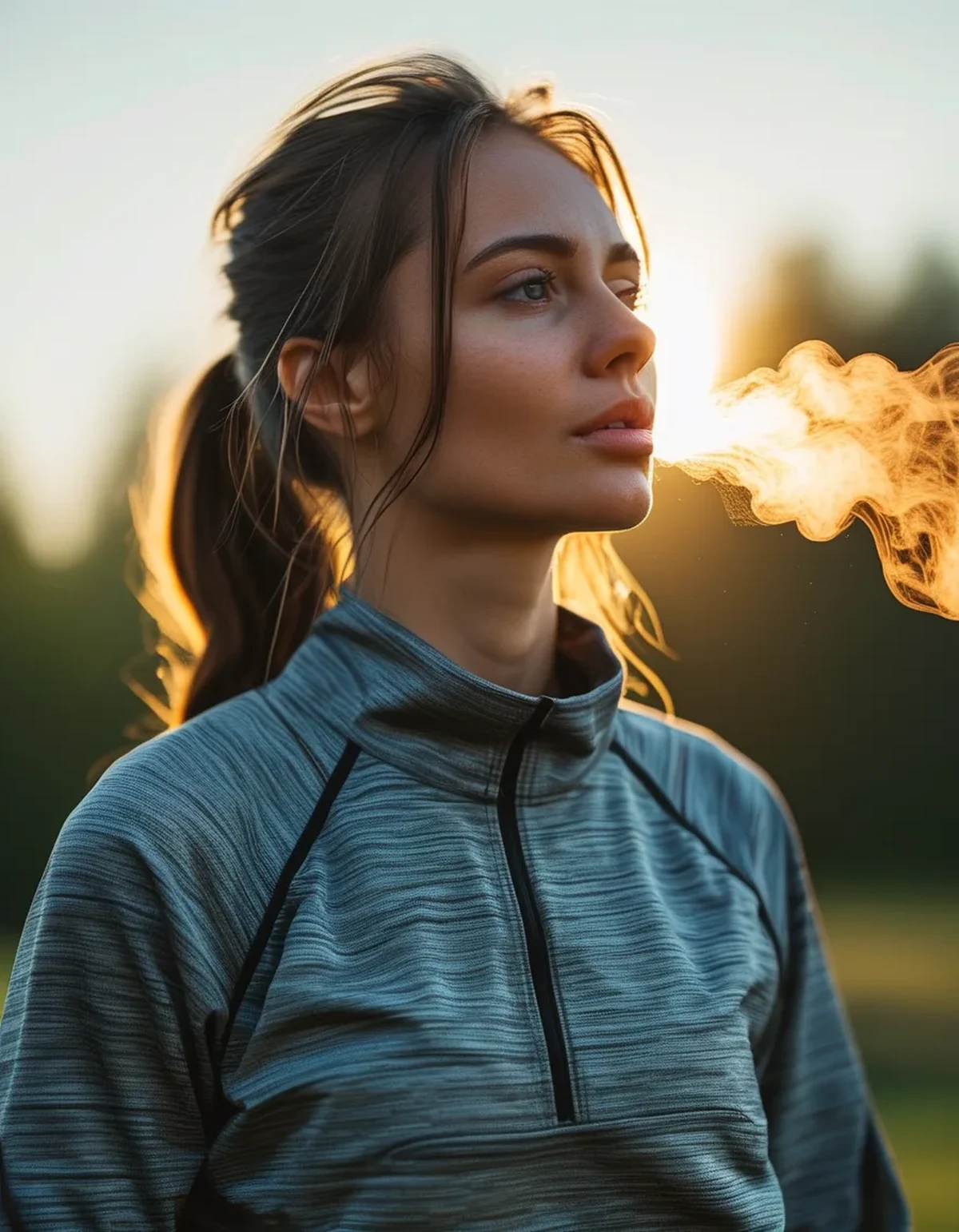
Evaporation is a cooling mechanism. Moving sweat to the surface where it evaporates removes a lot of heat. In 85°F that is the point. In 50°F it is why you are shivering at mile four.
Wet fabric conducts heat away rapidly. Damp fabric against skin transfers heat far faster than dry fabric — this is the mechanism behind almost all cold-weather discomfort in training.
Loose summer fits let cold air move. A relaxed singlet or loose shorts allow air exchange, which is cooling by design.
Very light fabric offers no wind resistance at all. A 10mph wind on a damp lightweight top in 50°F air produces a serious wind-chill effect.
The problem is worst after you stop. Wet kit in cool air after exercise is when most people actually get cold — the walk home, the wait for a bus, standing around after a session.
Which reframes the fix: you are not trying to add warmth so much as trying to keep the fabric against your skin from becoming a cooling system. Fit and moisture management matter more than thickness.
What should the transitional kit actually look like?
Six pieces and principles that cover roughly 45 to 60°F.
A fitted next-to-skin layer. Close to the body so it wicks by contact. Loose base layers do not move sweat effectively because they are not touching you consistently. Merino or a technical synthetic — not cotton, which holds moisture and stays wet.
A removable mid layer. A light long-sleeve or half-zip you can push up, unzip or take off. Adjustability matters more than the exact warmth rating, because your output changes through a session.
A wind layer, not a warm layer. A very light wind shell weighs almost nothing, packs into a pocket, and does more for cool-weather comfort than a thick top. Wind, not air temperature, is what makes cool mornings feel cold.
Cover the extremities first. Light gloves, a headband or buff, and proper socks deliver more warmth per gram than any torso layer. Hands and ears are where cold registers first, and they are trivially easy to add and remove.
Full-length or 7/8 leggings. Legs generate a lot of heat and need less than people think, but bare skin plus wind is uncomfortable below about 55°F.
Dry kit for afterwards. A dry top to change into transforms the post-session period, especially if you are outdoors or travelling home.
Seasonal note: the trickiest window is exactly now — mornings at 50°F and afternoons at 75°F. Kit chosen for the start of a session is wrong by the end of it. Adjustable layers beat correctly chosen ones.
How should you judge what to wear?
One rule, plus the adjustments around it.
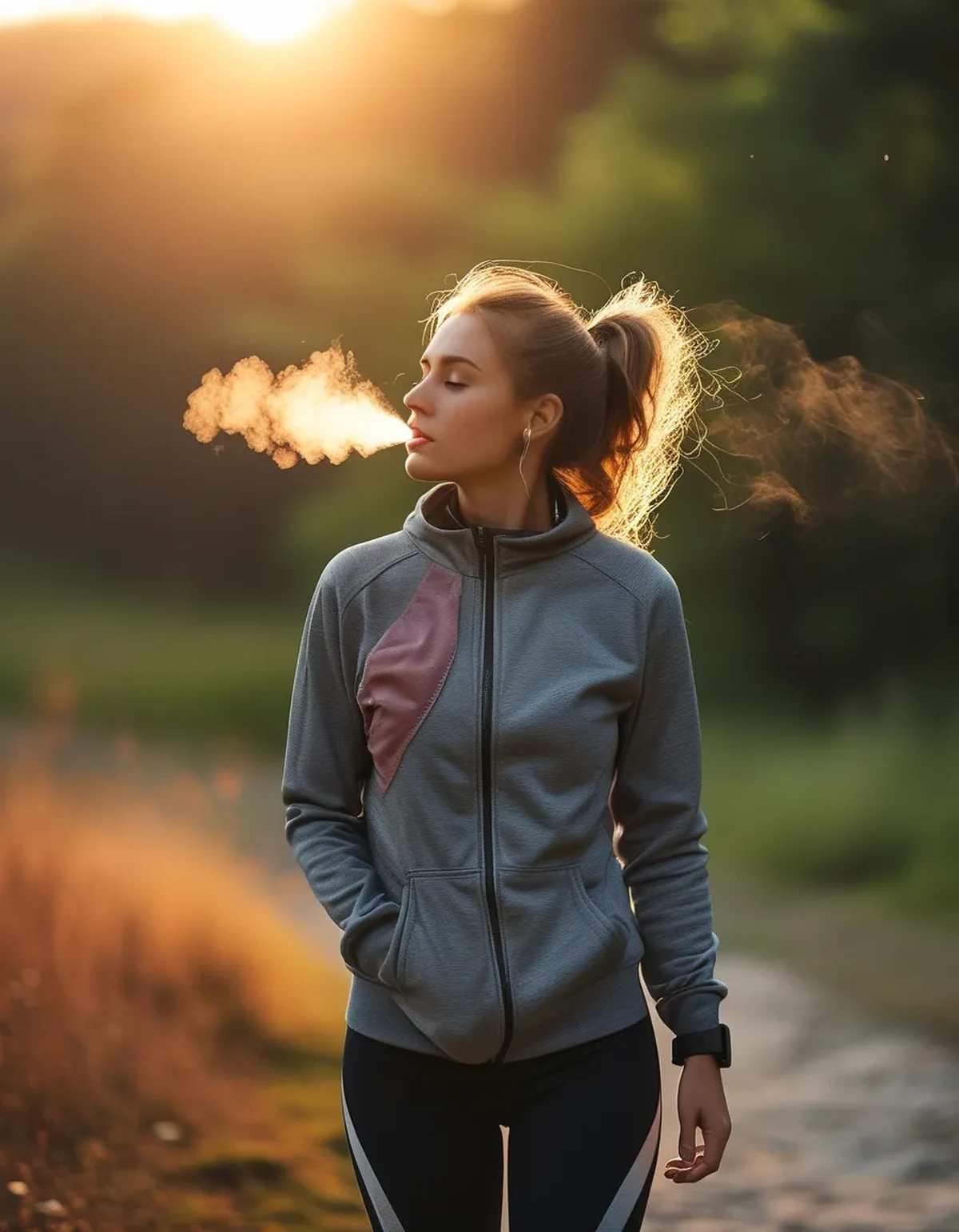
Dress to feel slightly cold for the first 10 minutes. The most reliable guideline there is. If you are comfortable standing outside before you start, you will be too warm and too sweaty within a mile — and that sweat is what makes you cold later.
Add roughly 10 to 20°F to the actual temperature when estimating what your body will experience once working. A 50°F morning feels like 60 to 70°F at running effort.
Adjust for wind more than for temperature. Wind is the dominant variable in the transitional range. Check it before you check the thermometer.
Adjust for your session type. Steady running generates continuous heat. Intervals with recovery, or anything with standing around, needs more layers because you will cool during the pauses.
Adjust for the direction of travel. Starting into a headwind and finishing with a tailwind is very different from the reverse — the second half is when you are wet, and a headwind then is much colder.
And for rain, prioritise wind protection over waterproofing. In cool weather you will be wet from sweat regardless. A breathable wind layer that keeps the worst off and lets vapour out beats a fully waterproof shell that traps sweat inside.
This is general information, not medical advice.
Myth vs Fact: Transitional Season Kit
Myth: you need thicker fabric when it gets cold. Fact: you need better moisture management and wind protection. Thickness is the last variable, not the first.
Myth: cotton is fine for cool weather. Fact: cotton holds moisture, stays wet and conducts heat away from you. It is worse in cool weather than in warm, not better.
Myth: you should feel comfortable when you step outside. Fact: you should feel slightly cold. Comfortable at the door means overdressed by mile two.
Myth: merino is only for winter. Fact: merino performs well across a wide range, manages odour, and — unusually — retains some insulating value when damp. It is arguably the ideal transitional-season fabric.
Myth: a waterproof jacket is the answer to autumn. Fact: for most training, a light breathable wind layer is more useful. A fully waterproof shell traps sweat and you end up wet from the inside.
Myth: leggings are warmer than shorts by a lot. Fact: legs are the least cold-sensitive part of the body during exercise. Covering your hands and ears is a far more efficient use of the same warmth.
Myth: you will adapt and stop needing layers. Fact: some acclimatisation happens over a few weeks, but the physics of wet fabric in moving air does not change. Manage the moisture rather than waiting to toughen up.
FAQ: Transitional Kit Questions, Answered
How should I feel before I start?
Slightly cold for the first 10 minutes. If you are comfortable standing still, you are overdressed.
What is the single most useful piece to add?
A light packable wind shell. It weighs almost nothing and addresses wind chill, which is the dominant factor in this temperature range.
Merino or synthetic?
Merino for odour resistance and warmth when damp; synthetic for fast drying and durability. Both work — cotton does not.
Why do I get cold after finishing rather than during?
Wet kit in cool air with no heat production. Change into something dry as soon as you stop; it makes more difference than anything you wear during.
Do I need gloves at 50°F?
Many people do for the first ten minutes. Light gloves that stuff into a pocket are the easiest warmth-to-weight win available.
Shorts or leggings in this range?
Either. Legs tolerate cold well during exercise. Below about 55°F with wind, most people prefer covered legs.
How do I handle a 50°F morning and a 75°F afternoon?
Adjustable layers — a half-zip you can open, sleeves you can push up, gloves and a buff you can pocket. Adjustability beats getting the choice exactly right.
TL;DR:
- Summer fabric is designed to evaporate sweat and cool you — which is exactly the problem in cool air.
- Wet fabric conducts heat away fast; managing moisture matters more than adding thickness.
- Build from a fitted next-to-skin layer, a removable mid layer and a light wind shell.
- Cover hands and ears first — best warmth per gram by a wide margin.
- Dress to feel slightly cold for the first 10 minutes, and change into dry kit the moment you stop.
Put a packable wind shell in your kit bag this week. On the first cool morning it will do more than any other single item.
See It in Motion
Seen here: High Waist Yoga Leggings with Side Pockets — shop it on bubblelime.com
Keep Reading
This article is for general informational and styling purposes only. Fit, sizing, and product availability may vary.